


Is Stainless Steel 304 Safe? An Easy-to-Understand Explanation for Users
In modern life, stainless steel 304 is increasingly common in kitchens, household appliances, and even in industrial applications. However, many people still wonder: Is stainless steel 304 safe for long-term use, especially when it comes into direct contact with food? This article will help you better understand the nature of 304 stainless steel, its actual level of safety, and the key factors to consider to use this material effectively and with complete peace of mind.
Is Stainless Steel 304 Safe?
Based on material standards and real-world usage, the answer to the question “Is Stainless Steel 304 Safe?” is definitely yes. Stainless steel 304 belongs to the austenitic stainless steel group, known for its excellent corrosion resistance, non-reactivity with food, and strong resistance to oxidation under normal conditions.
Thanks to these properties, stainless steel 304 is widely used in the production of kitchen utensils such as pots, pans, and spoons, as well as in food processing and medical equipment. When in contact with hot or cold foods or exposed to humid environments, 304 stainless steel rarely releases harmful substances, ensuring user safety.
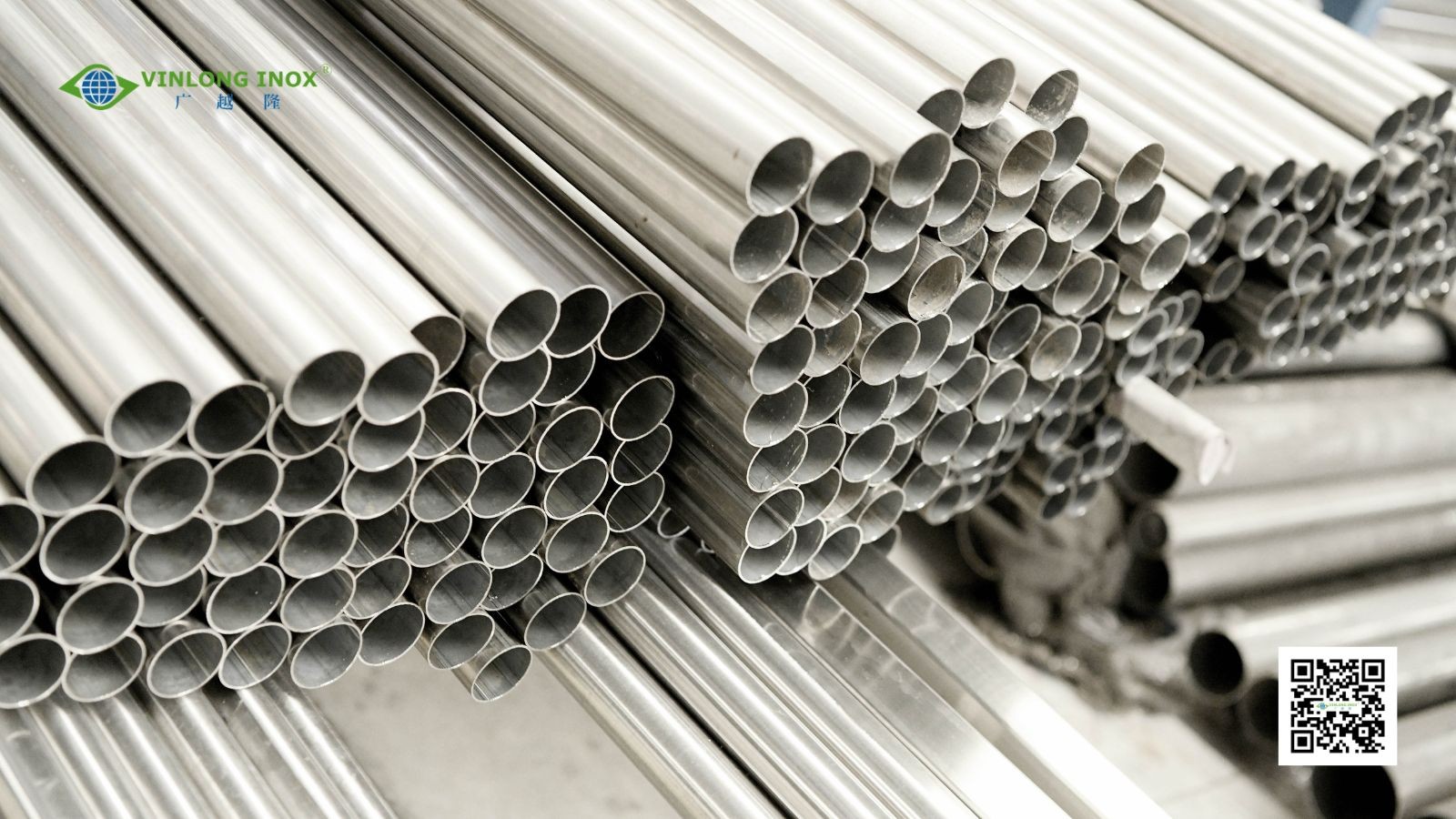
Factors Affecting the Safety of Stainless Steel 304
Although highly regarded, the safety of stainless steel 304 can still be affected by certain factors during use.
Limitations of Corrosion Resistance in Stainless Steel 304
Stainless steel 304 offers excellent rust resistance; however, it is not completely “immune.” When exposed for long periods to environments with high salt concentrations, strong acids, or industrial cleaning chemicals, its surface can gradually corrode over time, reducing both durability and safety.
Nickel Allergy Concerns
Another factor that raises concern when asking “Is Stainless Steel 304 Safe?” is its nickel content. Stainless steel 304 contains a small amount of nickel, which enhances hardness and corrosion resistance. For most users, this poses no risk. However, individuals with a sensitivity to nickel may experience mild irritation after prolonged contact.
Usage Tips in the Kitchen
To ensure stainless steel 304 remains safe and durable, it is recommended to avoid strong detergents, limit prolonged contact with highly acidic foods, and clean and dry the surface after use. Avoid scrubbing with sharp or abrasive objects to maintain the best possible surface condition.
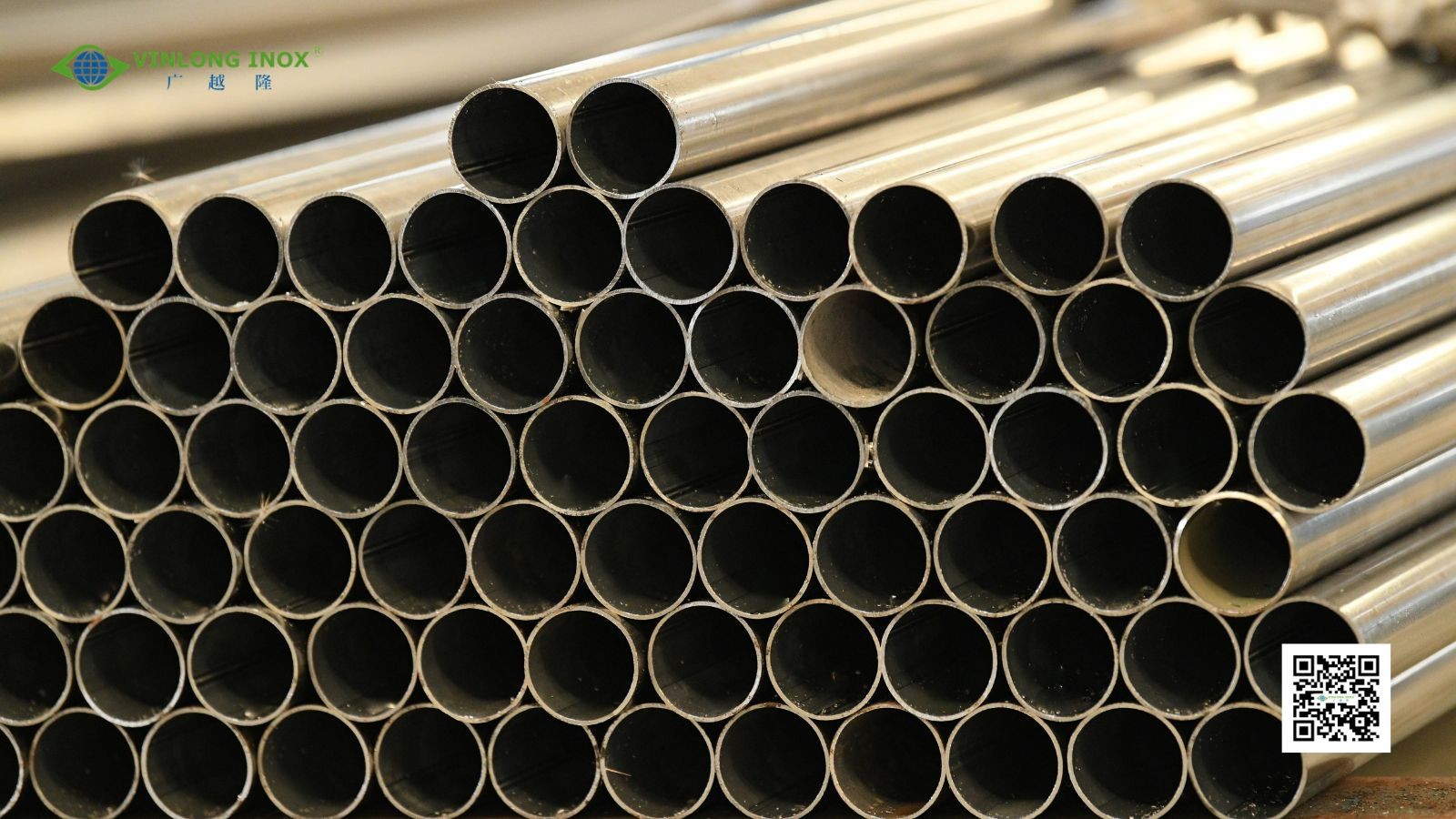
It can be seen that stainless steel 304 still ensures a high level of safety in use. However, understanding its properties and applying it correctly will help maximize its durability as well as its long-term performance.
Comparing the Safety of Stainless Steel 304 with Other Materials
To accurately answer the question “Is Stainless Steel 304 Safe?”, directly comparing it with common materials such as stainless steel 201/202, stainless steel 316, aluminum, and food-grade plastic will give you a clearer and more objective view of its safety level as well as its practical applications.
| Criteria | Stainless Steel 304 | Stainless Steel 201/202 | Stainless Steel 316 | Aluminum | Food-grade Plastic | |
| Food-grade Plastic | Very high, non-reactive, and does not release toxic substances | Moderate, may corrode over time → potentially affecting safety | Very high, more stable than 304 in harsh environments | May react with food | Depends on the type, may leach chemicals when exposed to high temperatures | |
| Corrosion Resistance | High, performs well in humid environments | Lower than 304, more prone to rust | Very high, especially resistant to chloride corrosion | Moderate, can oxidize | Does not rust but may degrade chemically | |
| Durability | High, long-lasting | Moderate, may degrade over time | Very high, most durable among stainless steels | Moderate | Low to moderate, may deform easily | |
| Safety at High Temperatures | Very safe, does not change properties | Less stable than 304 | Very safe, suitable for harsh environments | May release metal ions | May release toxic substances if overheated | |
| Applications in Food Industry | Very common (pots, pans, kitchen equipment) | Less commonly used in high-end food applications | Used in high-end food processing | Limited use | Mainly used for storage, not suitable for high heat | |
| Price | Reasonable, good balance between price and quality | Cheapest | High | Moderate | Low |
Source: Compiled from various sources
From the comparisons above, it is clear that if you are still wondering “Is Stainless Steel 304 Safe?”, it is actually one of the most well-balanced choices in terms of safety, durability, and cost. It outperforms many common materials used in everyday life today.
How to Identify High-Quality and Safe Stainless Steel 304
To ensure you choose materials that meet proper standards, it is important to equip yourself with basic knowledge to distinguish high-quality stainless steel 304 from lower-grade alternatives available on the market.
- Magnet Test: Stainless steel 304 is generally non-magnetic or only slightly magnetic. If a product strongly attracts a magnet, it is likely not genuine 304 stainless steel.
- Surface Inspection: High-quality stainless steel 304 typically has a bright, smooth, and uniform surface without signs of rust or pitting.
- Check CO/CQ Certification: Standard-compliant products usually come with Certificates of Origin (CO) and Quality (CQ), ensuring clear sourcing and correct material composition.
- Chemical Testing (if necessary): Specialized testing solutions can be used to accurately identify the metal composition, commonly applied in industrial settings or when high reliability is required.
- Choose Reputable Suppliers: Purchasing from trusted suppliers helps reduce the risk of buying counterfeit or low-quality mixed materials.
In summary, correctly identifying standard-grade stainless steel 304 not only ensures durability but also provides peace of mind during long-term use. Therefore, consumers should prioritize products with clear origins and those supplied by reputable providers.
Where to Buy High-Quality Stainless Steel 304 at Vinlong Inox
With many years of experience in the stainless steel supply industry, Vinlong Inox is proud to deliver high-quality stainless steel 304 products that fully meet standards for durability, corrosion resistance, and safety in use.
We are committed to providing stainless steel 304 with clear origins and complete quality certifications (CO, CQ), giving customers full confidence when using our products in household, food processing, industrial, and construction applications. Every product is carefully inspected before reaching customers to ensure the highest standards are met. Beyond supplying products, Vinlong Inox also supports customers with professional consultation to help them choose the most suitable type of stainless steel for their specific needs, optimizing costs while ensuring long-term performance.
We understand that choosing the right material plays a crucial role in determining the quality and safety of both projects and products. Therefore, Vinlong Inox continuously strives to improve service quality and strengthen its brand reputation to become a trusted partner for customers nationwide.
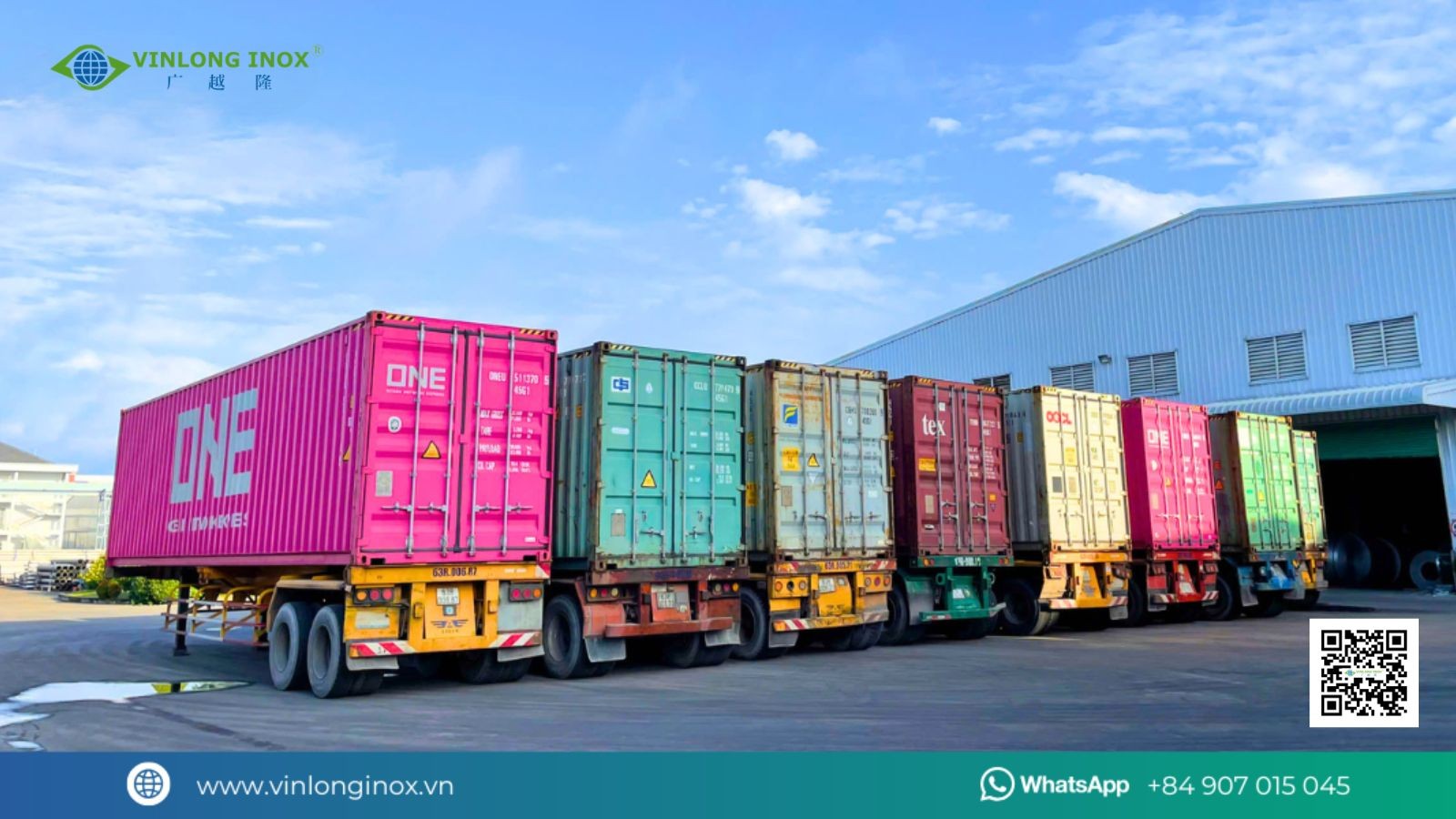
If you are still wondering “Is Stainless Steel 304 Safe?” or are looking for high-quality, durable, and standard-compliant stainless steel 304, feel free to contact Vinlong Inox for quick consultation and pricing. We are always ready to support you with all your stainless steel needs.
Source: Compiled


Other news
-
Phone:(+84 273) 364 2555
-
Fax:(+84 273) 364 2557
-
Email:info@vinlonginox.com
sales@vinlonginox.com
sales@vinlonginox.vn





CÔNG TY TNHH THÉP KHÔNG GỈ QUẢNG THƯỢNG VIỆT NAM
VINLONG STAINLESS STEEL (VIETNAM) CO., LTD.
TAX ID: 1201462743


