


How heat resistant is 304 stainless steel? Comparison with 316 stainless steel
304 stainless steel is widely used across industries because of its excellent corrosion resistance, durability, and suitability for a wide range of operating conditions. However, in high-temperature environments, many people still wonder how heat-resistant 304 stainless steel is and whether it can maintain stability when exposed to heat for extended periods. Let’s explore the heat resistance of 304 stainless steel, the factors that affect its performance, and how it differs from 316 stainless steel to help you choose the right material for your application.
What is 304 stainless steel?
304 stainless steel, also known as SUS304 stainless steel, is an austenitic alloy steel grade with a composition consisting primarily of approximately 18% chromium (Cr) and 8% nickel (Ni), along with small amounts of carbon, manganese, and silicon. It is one of the most widely used stainless steel grades today due to its excellent corrosion resistance, ease of fabrication, reasonable cost, and attractive appearance.
Thanks to its stable austenitic structure, 304 stainless steel is generally non-magnetic or only weakly magnetic, with good ductility and excellent weldability. This material is commonly used in sinks, stainless steel cookware, industrial kitchen cabinets, light chemical storage tanks, railings, and decorative components for both interior and exterior applications.
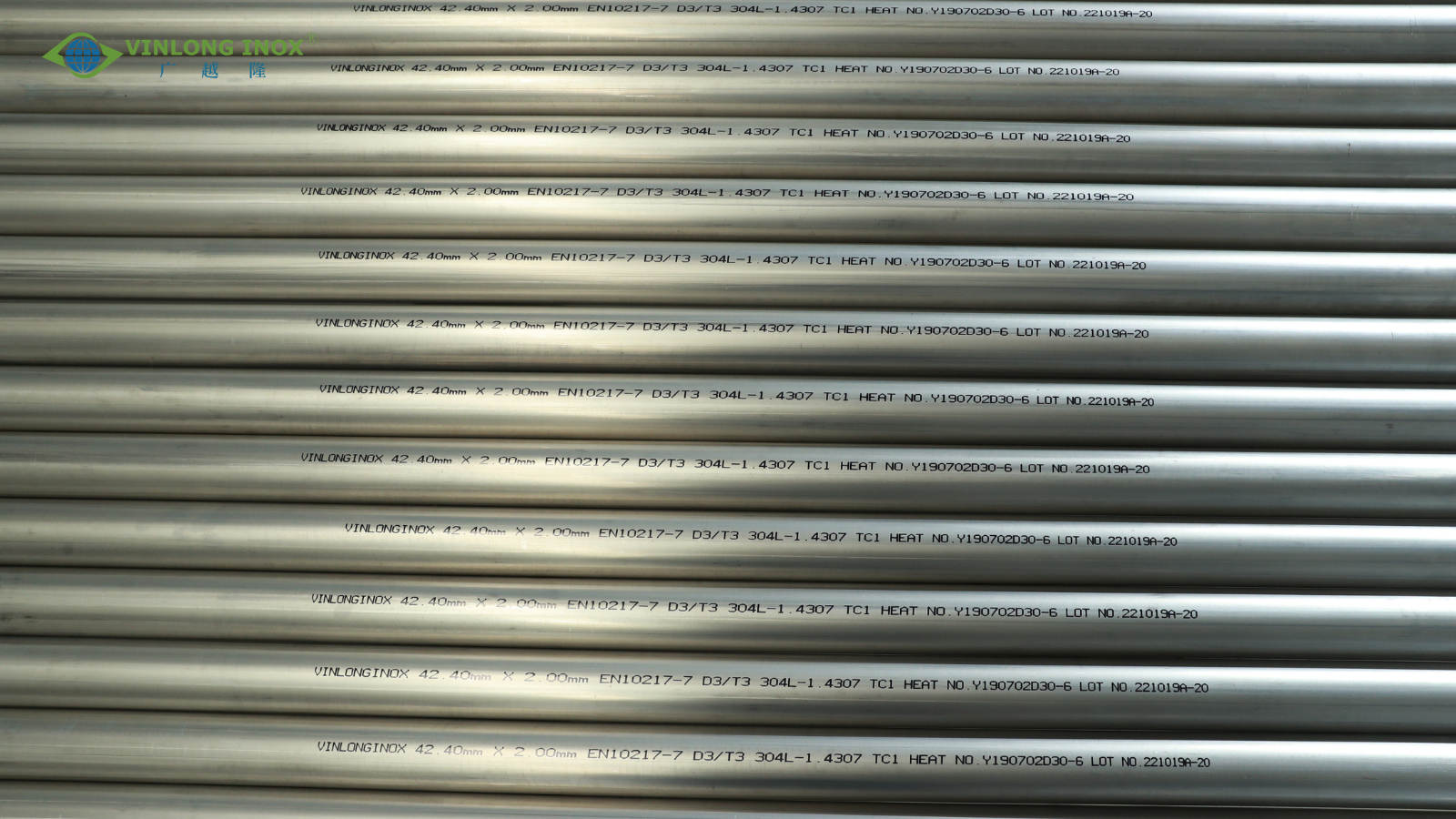 304 stainless steel features an austenitic structure with excellent corrosion resistance and durability
However, 304 stainless steel is a versatile, corrosion-resistant material rather than a stainless steel grade specifically designed for extremely high-temperature environments. As the temperature increases significantly, its mechanical properties and oxidation resistance can also change. Therefore, specific operating conditions should be carefully evaluated before selecting the material.
How heat resistant is 304 stainless steel?
So, how heat resistant is 304 stainless steel? This is an important consideration when selecting a material for applications that require heat resistance. Under normal operating conditions, the heat resistance of 304 stainless steel can be referenced at two levels:
- Continuous service temperature: 304 stainless steel offers good oxidation resistance when used continuously at temperatures of around 870°C.
- Intermittent service temperature: When exposed to heat for short or intermittent periods, 304 stainless steel can withstand temperatures of around 925°C while maintaining relatively good oxidation resistance.
However, oxidation resistance does not mean that 304 stainless steel can maintain all of its mechanical properties and corrosion resistance at high temperatures. During prolonged exposure to temperatures between approximately 450°C and 850°C, 304 stainless steel may undergo sensitization. In this process, carbon can combine with chromium to form chromium carbides at grain boundaries, reducing the amount of free chromium in these areas and consequently lowering corrosion resistance.
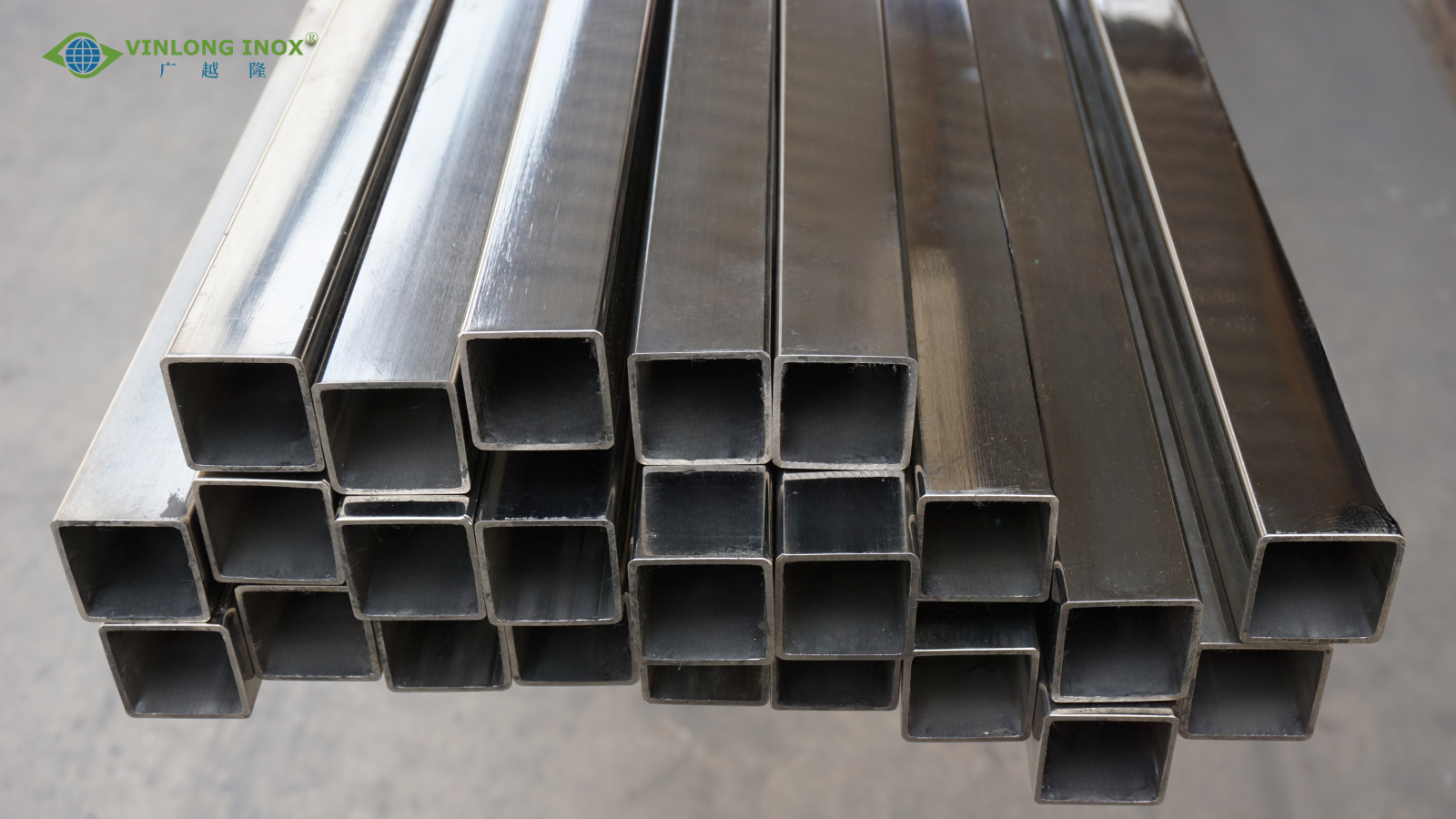 304 stainless steel can withstand temperatures of up to approximately 870°C during continuous service
Therefore, for applications that require both high heat resistance and good corrosion resistance, material selection should not be based solely on a maximum temperature rating. The selection process should consider temperature, exposure time, operating environment, and mechanical requirements together. In some cases, 304L stainless steel or stainless steel grades specifically designed for high-temperature applications may be more suitable.
Comparing the heat resistance of 304 and 316 stainless steel
316 stainless steel is an austenitic stainless steel grade that contains approximately 2 to 3% molybdenum (Mo) in addition to the elements found in 304 stainless steel. In terms of pure heat resistance, the two grades are relatively similar:
| Criteria | 304 Stainless Steel | 316 Stainless Steel |
| Material grade | Austenitic | Austenitic |
| Heat resistance | Good for many common applications | Good, especially when high corrosion resistance is required |
| Corrosion resistance | Good | Higher, especially in chloride-containing environments |
| Main alloying elements | Chromium, nickel | Chromium, nickel, molybdenum |
| Common applications | Food processing, piping, industrial equipment | Chemicals, marine applications, chloride-containing environments |
| High-temperature selection | Depends on specific operating conditions and environment | Requires careful evaluation; not automatically better than 304 at every temperature |
Therefore, when considering physical temperature resistance alone, 304 and 316 stainless steel are relatively similar. The key difference lies in their corrosion resistance when exposed to both high temperatures and chemicals or harsh environments. This is where 316 stainless steel has a clear advantage, as its molybdenum content improves resistance to localized corrosion, particularly in chloride-containing environments.
Factors affecting the heat resistance of 304 stainless steel
The theoretical temperature limit is only a reference figure. In practice, the heat resistance of 304 stainless steel also depends on several other factors.
Exposure time to heat
The longer the material is exposed to heat, the more significant the effects of temperature become. During prolonged operation at high temperatures, 304 stainless steel may experience a reduction in mechanical properties and gradual deformation when subjected to continuous loads. In contrast, short term exposure to high temperatures generally has less impact, especially when the product is not subjected to heavy loads. Therefore, when designing or selecting 304 stainless steel products, it is important to determine how long the material will be exposed to heat and whether the temperature remains stable or fluctuates continuously.
Operating environment
In dry, clean environments with minimal chemical exposure, 304 stainless steel offers good heat resistance and long-term stability. Conversely, when high humidity, salts, acids, or chlorides are present together with high temperatures, the rate of corrosion and oxidation can increase rapidly. This may shorten the actual service life of the material even when the theoretical temperature limit has not been exceeded.
Applied load
At high temperatures, the mechanical strength and load-bearing capacity of 304 stainless steel gradually decrease. If the product is exposed to heat while also subjected to loads, pressure, or vibration, the risk of deformation, cracking, or failure may occur sooner than when the material is exposed to heat alone.
Product thickness
Thicker 304 stainless steel products generally maintain their strength and dimensional stability better than thinner sheets under certain high-temperature conditions, partly due to their greater rigidity and resistance to deformation. Thin components are more susceptible to warping, discoloration, or reduced service life when frequently exposed to high temperatures.
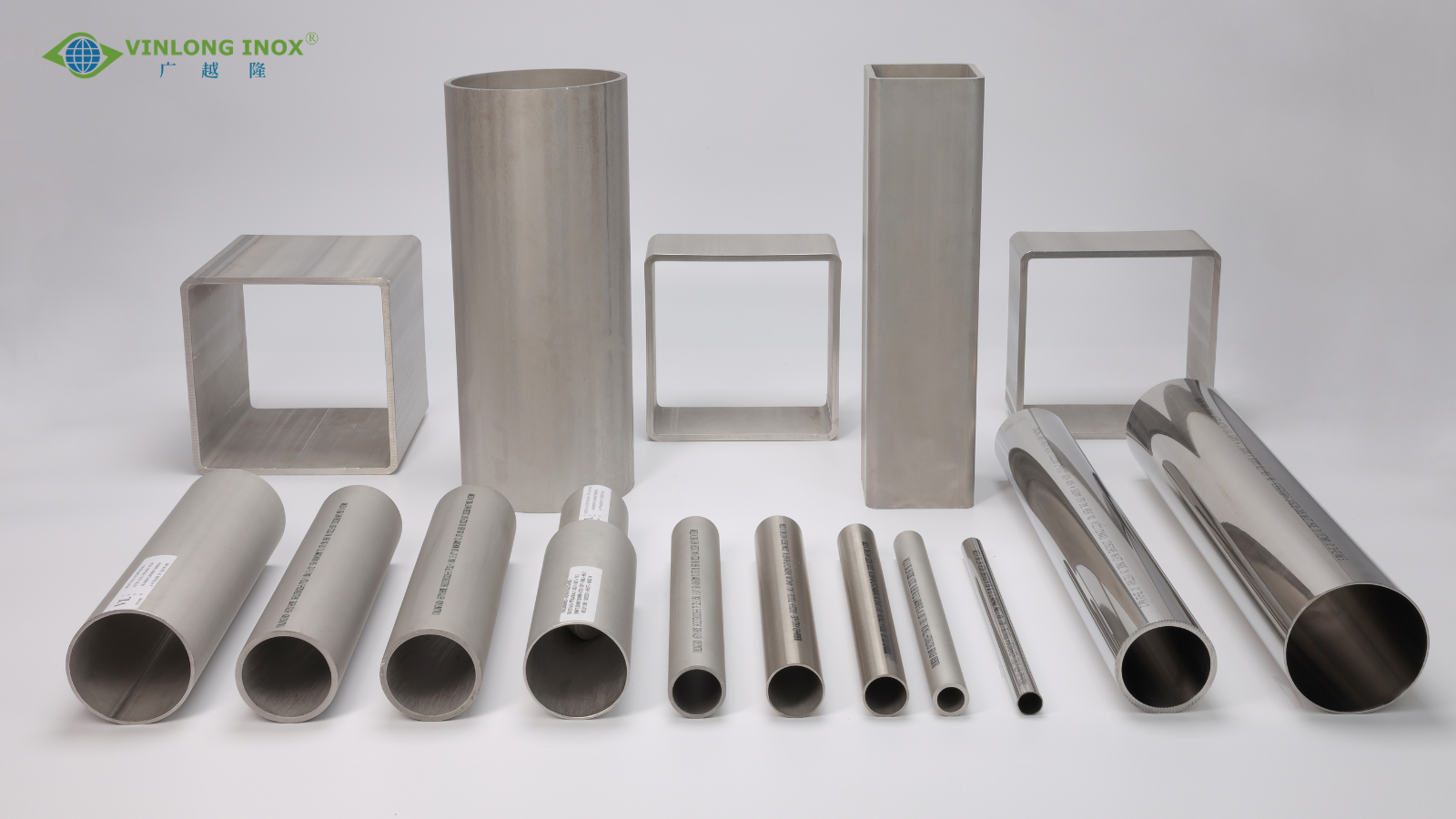
Therefore, the actual heat resistance of 304 stainless steel depends not only on temperature but also on exposure time, operating environment, applied load, and product thickness. Evaluating these factors comprehensively helps ensure that 304 stainless steel is selected appropriately and maintains its durability throughout service.
When should 304 stainless steel not be used at high temperatures?
Although 304 stainless steel offers good heat resistance and is widely used in industrial applications, it is not suitable for every high-temperature condition. When the temperature, exposure time, applied load, or operating environment exceeds the design requirements, a more suitable material should be considered.
- Hot and highly corrosive environments: Applications involving acids, salts, or industrial chemicals at high temperatures may require 316 stainless steel or specialized heat-resistant stainless steel grades.
- Prolonged continuous operation within the sensitization range of approximately 425°C to 860°C: Extended exposure may reduce long-term corrosion resistance, even if the material does not fail immediately.
- Load-bearing components operating near the maximum temperature limit: Mechanical strength can decrease significantly at high temperatures, increasing the risk of deformation or structural failure.
- Applications requiring high dimensional accuracy under large temperature fluctuations: Thermal expansion of 304 stainless steel may affect the fit and dimensional accuracy of components.
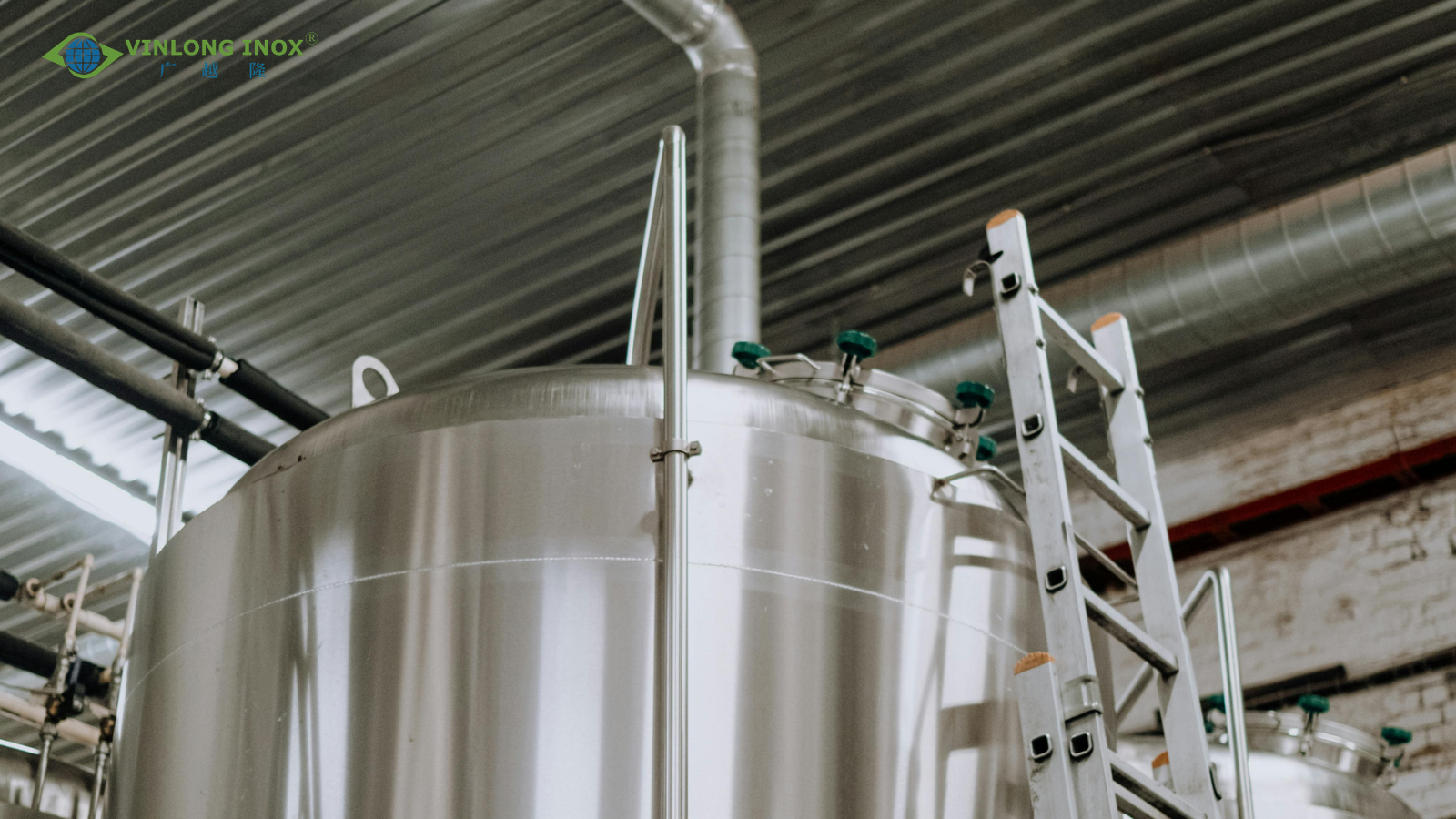
Therefore, when using 304 stainless steel in high-temperature environments, it is important to evaluate the operating temperature, exposure time, applied load, and environmental conditions together. For demanding applications, selecting a suitable stainless steel grade or specialized heat-resistant material can help ensure the durability and safety of the system.
Notes when selecting 304 stainless steel for high temperature environments
To ensure that 304 stainless steel maintains its durability and performs reliably in high-temperature environments, material selection should be based on actual operating conditions. Several important factors should be considered:
- Determine the operating temperature: Identify the maximum temperature, average temperature, and duration of heat exposure to assess whether 304 stainless steel is suitable. For applications involving continuous operation at high temperatures, particular attention should be paid to the risk of sensitization and reduced mechanical properties.
- Evaluate the operating environment: High temperatures combined with moisture, chlorides, acids, or chemicals can increase the risk of corrosion. Depending on the environmental conditions, 316 stainless steel or specialized stainless steel grades with more suitable properties may be considered.
- Choose an appropriate thickness: Product thickness should be determined based on the applied load, pressure, and operating conditions. For systems operating at high temperatures, selecting the appropriate thickness can help minimize deformation and maintain product stability.
- Check material origin and certifications: Choose products with clear traceability, compliance with applicable technical standards, and supporting documents such as a Certificate of Origin (CO), Certificate of Quality (CQ), or mill certificate when required. These documents help verify the steel grade and material composition, particularly for industrial applications requiring high reliability.
- Seek technical advice: For systems involving high temperatures, pressures, or loads, it is recommended to consult suppliers and materials engineers to select the appropriate stainless steel grade, standards, and product specifications. Material suitability should not be assessed based solely on a general temperature rating.
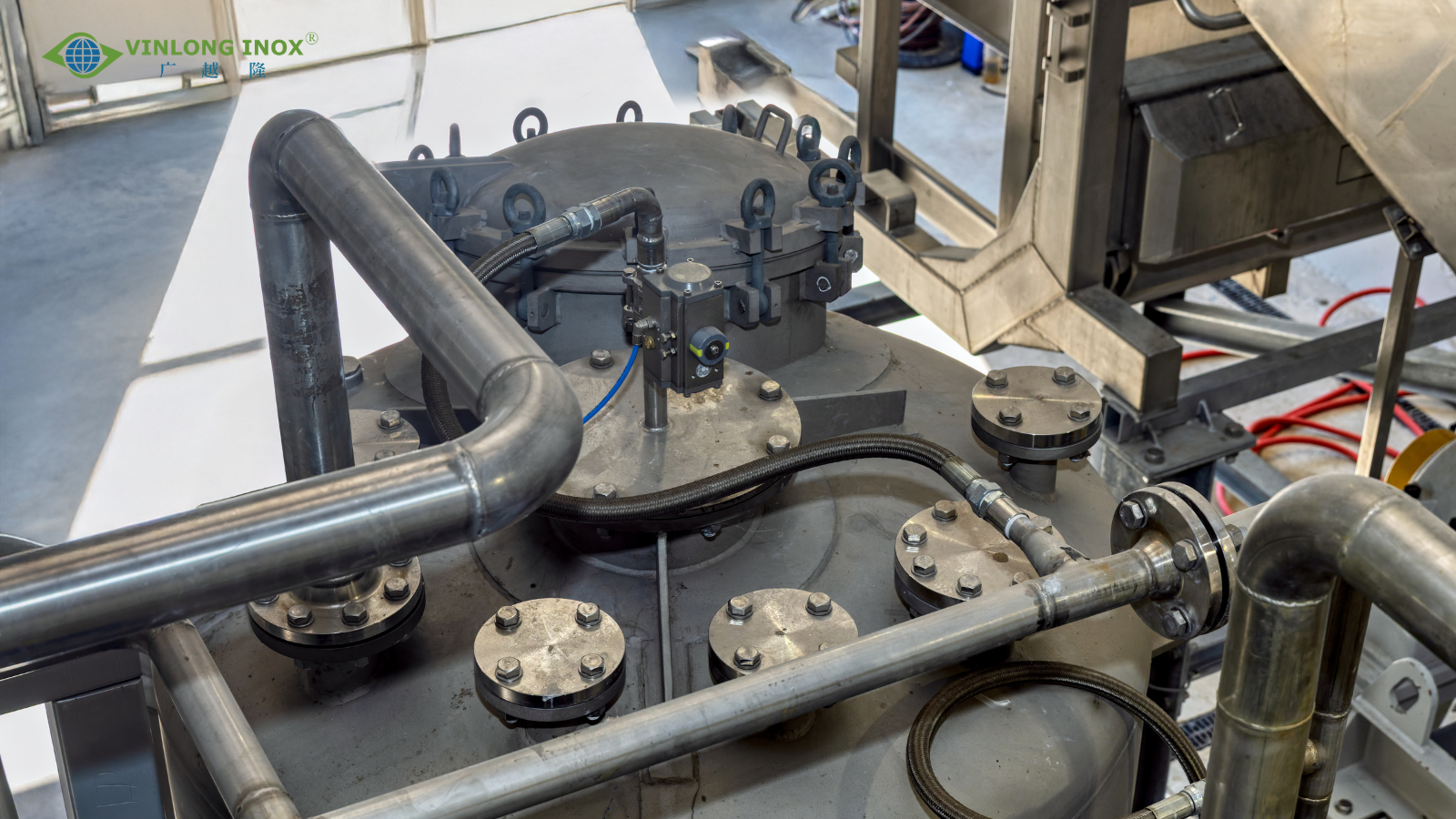 304 stainless steel should be selected according to the system's operating temperature and conditions.
In summary, the question “How heat resistant is 304 stainless steel?” can generally be answered with a reference point of around 870°C for continuous service and up to 925°C for intermittent exposure. 304 stainless steel is suitable for most household and light industrial applications. However, for environments involving both high temperatures and corrosive conditions, or applications requiring high mechanical strength at elevated temperatures, 316 stainless steel or other specialized materials may be a safer and more durable choice.


Other news
-
Phone:(+84 273) 364 2555
-
Fax:(+84 273) 364 2557
-
Email:info@vinlonginox.com
sales@vinlonginox.com
sales@vinlonginox.vn





CÔNG TY TNHH THÉP KHÔNG GỈ QUẢNG THƯỢNG VIỆT NAM
VINLONG STAINLESS STEEL (VIETNAM) CO., LTD.
TAX ID: 1201462743


