


ASTM standards: What businesses need to know before implementation
In the steel industry, ASTM standards play an important role in quality control and ensuring that products meet technical requirements. So, what are ASTM standards, where are they applied, and what should businesses consider before implementation? This article provides an overview of ASTM standards, common ASTM standards for steel products, the differences between ASTM and ISO, as well as the challenges and solutions involved in implementation.
What are ASTM standards?
ASTM standards are technical standards developed and published by ASTM International, a globally recognized organization covering materials, products, systems, and services. ASTM publishes thousands of standards used across various industries, with steel and metals being among the key sectors. These standards provide specific requirements that allow manufacturers and end users to establish a common basis for evaluating materials.
In the steel industry, an ASTM standard may specify requirements related to:
- Chemical composition.
- Mechanical properties such as tensile strength, yield strength, and elongation.
- Heat treatment.
- Dimensions and tolerances.
- Inspection and testing methods.
- Surface requirements.
- Quality control procedures.
- Marking, packaging, and documentation.
For example, ASTM A312 is commonly applied to austenitic stainless steel seamless and welded pipe, particularly for high-temperature and corrosive service. Meanwhile, ASTM A269 specifies requirements for austenitic stainless steel tubing for general service applications.
It is important to note that businesses should not rely solely on the ASTM designation. The applicable standard, edition, grade, dimensions, and service conditions should all be reviewed carefully, as requirements may vary depending on the product and application.
Importance of ASTM standards
In the steel industry, applying ASTM standards not only helps manufacturers control product quality but also provides a technical foundation for meeting project requirements in both domestic and international markets. From manufacturing and inspection to commercial transactions, ASTM helps establish a common technical language between suppliers and end users.
Ensuring product quality
One of the most important roles of ASTM standards is to establish a consistent basis for material quality control. For steel products, quality is not determined by appearance alone. Manufacturers must control chemical composition, mechanical properties, dimensions, and other applicable technical requirements.
Manufacturing in accordance with ASTM requirements allows businesses to establish quality control procedures from raw material inspection through to finished products. Test results can also be documented through technical records such as the Mill Test Certificate (MTC), allowing customers to verify product compliance with order requirements.
Enhancing competitiveness
For industrial projects, customers often require materials to comply with specific standards before considering quotations or approving suppliers. Therefore, compliance with ASTM standards can help businesses expand opportunities in industries such as oil and gas, petrochemical, energy, water treatment, food and beverage, pharmaceutical, and construction.
For steel exporters in particular, technical standards are an important part of communication with international customers. When both parties work with the same standard, technical specifications can be communicated more clearly, reducing the risk of misunderstandings.
Supporting international cooperation
Steel may be manufactured in one country and used in a project in another. This makes standardized technical requirements essential for international supply chains.
ASTM standards provide a common technical language among manufacturers, distributors, contractors, inspection agencies, and project owners. Instead of describing products through different individual requirements, businesses can specify products using the applicable standard, grade, and specification.
Protecting end users
In industrial applications, using unsuitable materials can affect durability, system performance, and overall operational safety.
ASTM standards help define the technical requirements applicable to different product categories. When materials are manufactured and tested in accordance with the appropriate specification, end users have a clearer basis for evaluating product compliance before the materials are incorporated into a project or production system.
Applications of ASTM standards
ASTM standards are not limited to the steel industry. They are widely applied across various industrial sectors.
Common applications include:
- Steel and metals: Steel pipes, tubes, fittings, plates, bars, and stainless steel products.
- Construction: Construction materials, concrete, cement, and related products.
- Oil and gas: Piping systems, materials, and equipment used for oil and gas transportation.
- Chemical industry: Materials used in corrosive and demanding service environments.
- Energy: Piping systems, equipment, and materials used in power plants.
- Transportation: Materials for aerospace, automotive, and railway applications.
- Medical: Materials and equipment used in healthcare applications.
- Environmental: Testing methods and procedures for environmental quality assessment.
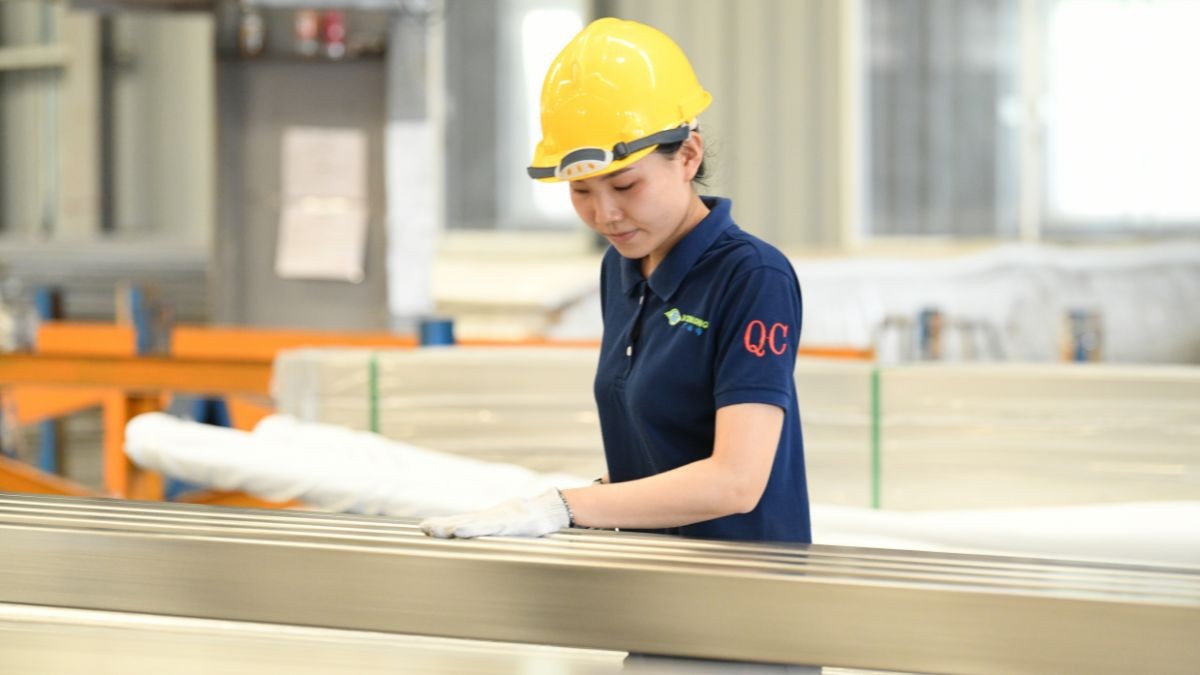
In the stainless steel industry, ASTM standards are particularly important for defining specifications for stainless steel pipe, tube, fittings, and plate, helping ensure that products meet the technical requirements of their intended applications.
Common ASTM standards for steel
For businesses in the steel industry, there are numerous ASTM standards to consider. Some commonly referenced standards include:
| ASTM Standard | Common Product / Scope |
| ASTM A312 | Austenitic stainless steel seamless and welded pipe |
| ASTM A269 | Austenitic stainless steel tubing for general service |
| ASTM A213 | Seamless ferritic and austenitic alloy-steel boiler, superheater, and heat-exchanger tubes |
| ASTM A554 | Welded stainless steel mechanical tubing |
| ASTM A778 | Seamless and welded ferritic/austenitic stainless steel tubing |
| ASTM A789 | Seamless and welded ferritic/austenitic stainless steel tubing |
| ASTM A403 | Wrought austenitic stainless steel piping fittings |
| ASTM A182 |
Forged or rolled alloy and stainless steel pipe flanges, fittings, valves, and parts |
However, businesses should not select an ASTM standard based solely on the product name. For example, when sourcing stainless steel pipe, it is necessary to identify whether the product is seamless or welded, the required grade, dimensions, service conditions, and applicable customer specification.
In addition to ASTM, a project may also require ASME, EN, ISO, JIS, or other applicable codes and standards. Therefore, reviewing the required specification at the quotation stage is essential.
What is the difference between ISO and ASTM?
ISO and ASTM are both widely used standards organizations in manufacturing and industry. However, they differ in scope and purpose. In the steel industry, understanding the distinction between ISO and ASTM helps businesses select the appropriate standard for their products, manufacturing processes, and project requirements.
| Criteria | ISO | ASTM |
| Full name | International Organization for Standardization | ASTM International |
| Scope | Broad, covering quality management, environmental management, manufacturing, technology, safety, and many other areas | Strong focus on materials, products, testing methods, and technical requirements |
| Main purpose | Develop international standards for processes, systems, and technical requirements | Establish specifications, technical requirements, and test methods for products and materials |
| Application in steel industry | Commonly associated with management systems and general technical standards | Widely used to specify requirements for steel, stainless steel, pipe, tube, fittings, plate, and other products |
| Example | ISO 9001 – Quality Management System | ASTM A312 – Austenitic stainless steel seamless and welded pipe |
| Typical users | Businesses, organizations, management systems, and various industries | Manufacturers, suppliers, testing laboratories, contractors, and material users |
| Role in steel manufacturing | Supports process control and quality management | Defines specific requirements for materials, mechanical properties, chemical composition, dimensions, and testing methods |
| Can they be used together? | Yes | Yes |
Overall, ISO and ASTM do not necessarily replace one another. Instead, they can complement each other in manufacturing operations. ISO may focus on management systems and processes, while ASTM provides more specific requirements for materials and products. Steel manufacturers can therefore use both systems to control production processes while ensuring that products meet the required specifications.
Challenges of implementing ASTM standards
Although ASTM standards provide significant benefits for quality control and competitiveness, their implementation can also present several challenges. For steel manufacturers, the main considerations include cost, time, skilled personnel, and access to technical information.
Cost
Meeting ASTM requirements may require investment in mechanical and physical testing equipment, qualified laboratory facilities, and third-party inspection or certification services. These investments can be significant, particularly for small and medium-sized steel manufacturers.
Time
Developing compliant manufacturing procedures, conducting product testing, and completing the required documentation can take time. Without proper planning, businesses may face difficulties maintaining production schedules and delivery deadlines, especially for export orders.
Human resources
Implementing ASTM requirements requires technical personnel who understand chemical composition, testing methods, dimensional tolerances, and other technical requirements. Businesses therefore need qualified personnel who can properly interpret, implement, and maintain the applicable standards.
Access to technical information
ASTM standards are primarily published in English and are updated through different editions and revisions. Businesses need access to the appropriate technical documents and personnel capable of interpreting them to ensure that the correct requirements and editions are being applied.
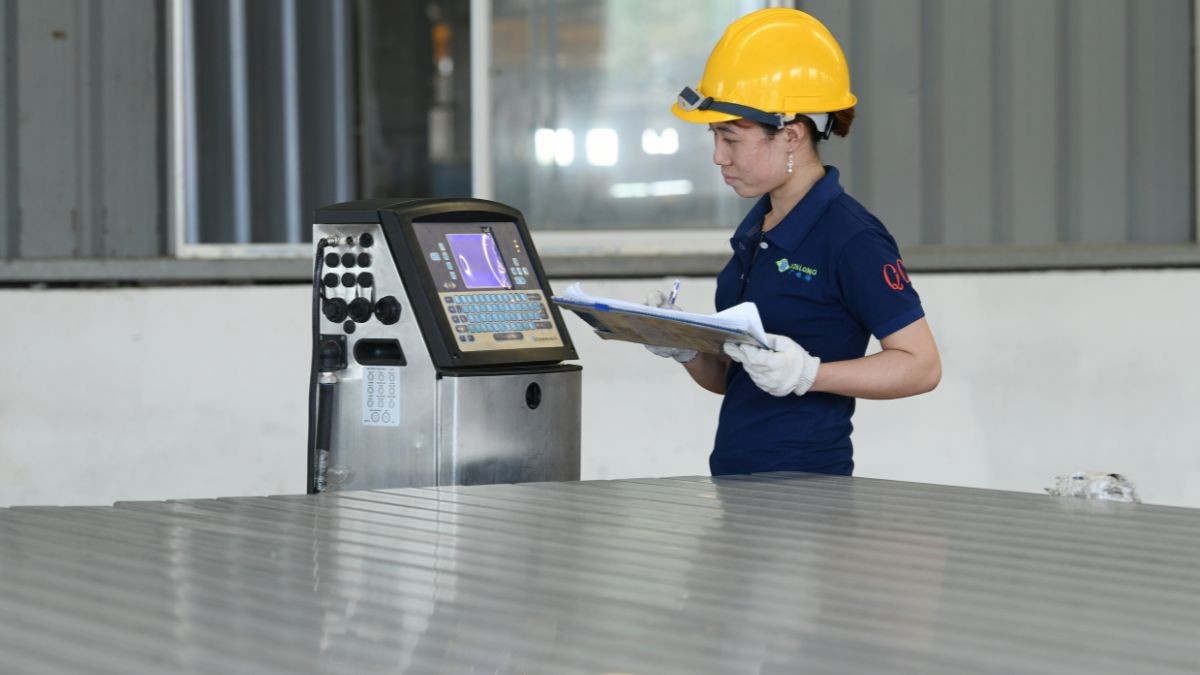
Overall, these challenges require businesses to prepare carefully before implementation. Proper investment planning, personnel training, and document control can help make ASTM implementation more efficient and suitable for actual manufacturing operations.
Solutions to overcome these challenges
To implement ASTM standards effectively, businesses should establish a structured approach covering technical requirements, manufacturing, inspection, and documentation. Key solutions include:
- Identify the applicable standard and specification: Clearly determine the required product, grade, and ASTM specification before production. Review requirements for chemical composition, mechanical properties, dimensions, tolerances, and testing.
- Control standard revisions: Establish a document control system to monitor the applicable ASTM edition. When a specification is revised, technical and QA/QC teams should assess its potential impact on manufacturing and inspection procedures.
- Train personnel: Provide appropriate training for technical, QA/QC, and sales teams. Sales personnel should understand key terms such as standard, grade, size, schedule, testing requirements, and certificate to communicate accurately with customers.
- Standardize inspection procedures: Incorporate ASTM requirements into QA/QC procedures from incoming raw materials through to finished products. Chemical composition, mechanical properties, dimensions, and applicable testing should be verified according to the specified requirements.
- Integrate ASTM with quality management systems: Businesses can combine ASTM technical requirements with a quality management system such as ISO 9001. This approach helps control manufacturing processes, quality documentation, and product conformity in a consistent manner.
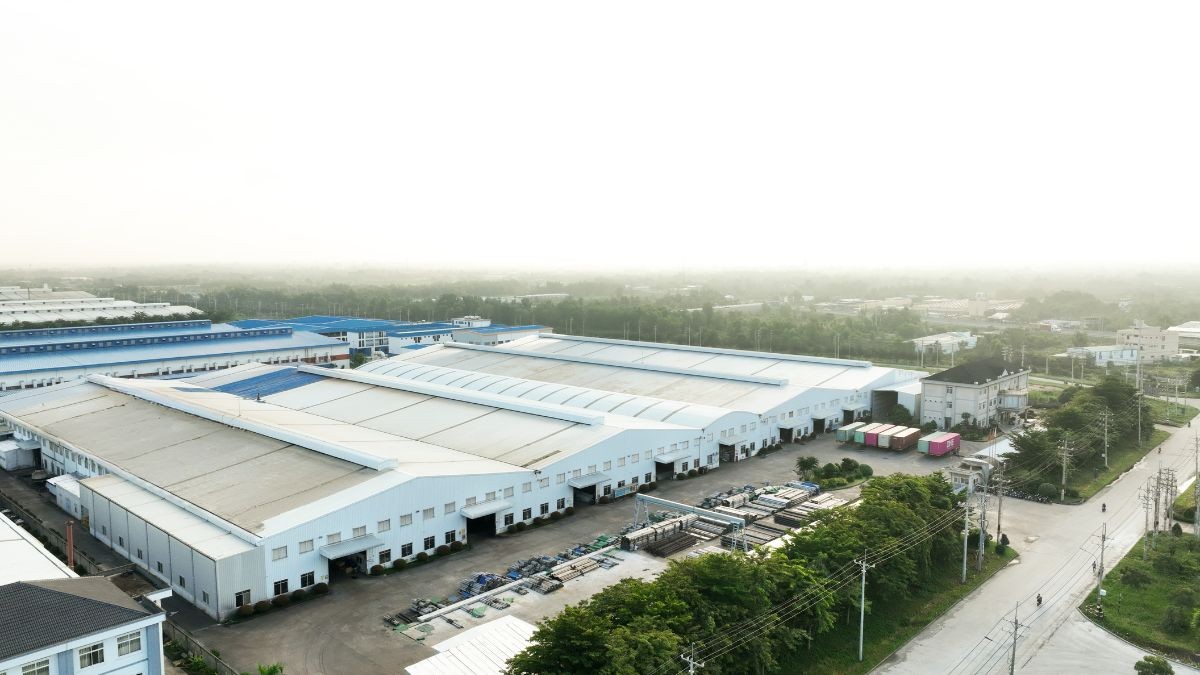
Understanding and correctly applying international standards is an important foundation for helping businesses maintain product quality, meet technical requirements, and strengthen their competitiveness in global markets. With extensive experience in the stainless steel industry, Vinlong Inox continuously develops its manufacturing capabilities and quality control processes to meet diverse customer requirements.
Vinlong Inox specializes in manufacturing and supplying welded and seamless stainless steel pipes in compliance with widely recognized international standards and requirements, including ASME/ASTM, EN, PED, AD2000, API, and NSF. Our products are manufactured with careful control of material specifications, dimensions, mechanical properties, testing requirements, and quality documentation to support various industrial applications.
With solid experience and manufacturing capabilities in the stainless steel industry, Vinlong Inox is committed to providing reliable stainless steel pipe solutions that meet international standards for customers in both domestic and international markets. If your business is looking for stainless steel pipes manufactured to ASME/ASTM, EN, PED, AD2000, API, or NSF requirements, contact Vinlong Inox for professional consultation and suitable product solutions.


Other news
-
Phone:(+84 273) 364 2555
-
Fax:(+84 273) 364 2557
-
Email:info@vinlonginox.com
sales@vinlonginox.com
sales@vinlonginox.vn





CÔNG TY TNHH THÉP KHÔNG GỈ QUẢNG THƯỢNG VIỆT NAM
VINLONG STAINLESS STEEL (VIETNAM) CO., LTD.
TAX ID: 1201462743


