


What Is the Difference Between Seamless and Welded Pipes?
In industrial piping systems, seamless pipes and welded pipes are the two most commonly used types of steel pipes. Each has its own manufacturing process, structural characteristics, technical properties, and application scope. Understanding the differences between these two types of pipes helps businesses select the most suitable solution based on operating pressure, temperature, service conditions, and project budget.
So, what is the difference between seamless and welded pipes? Which type is the better choice for your application? In this article, we'll compare their key characteristics, applications, and selection criteria to help you make an informed decision.
Basic Overview of Seamless and Welded Pipes
To better understand the differences between seamless pipes and welded pipes, it is important to first explore their definitions, structures, and manufacturing processes. Each type is produced using a distinct manufacturing method, which determines its mechanical properties, pressure resistance, and suitability for different industrial applications.
Seamless Steel Pipes
Seamless steel pipes, also known as seamless pipes, are manufactured from solid steel billets through a process of heating, piercing, and hot forming. The finished product features a continuous, joint-free structure with no longitudinal weld seam along the pipe body.
Because they are free of welded joints, seamless pipes typically offer excellent pressure resistance and high-temperature performance. As a result, they are widely used in applications that require superior mechanical strength and reliable performance under demanding operating conditions.
Depending on the material grade and manufacturing standards, seamless pipes are widely used in industries such as:
- Oil & gas and petrochemical
- Power plants and boiler systems
- Chemical processing
- High-pressure steam, gas, and fluid piping systems
- Mechanical engineering and machinery manufacturing
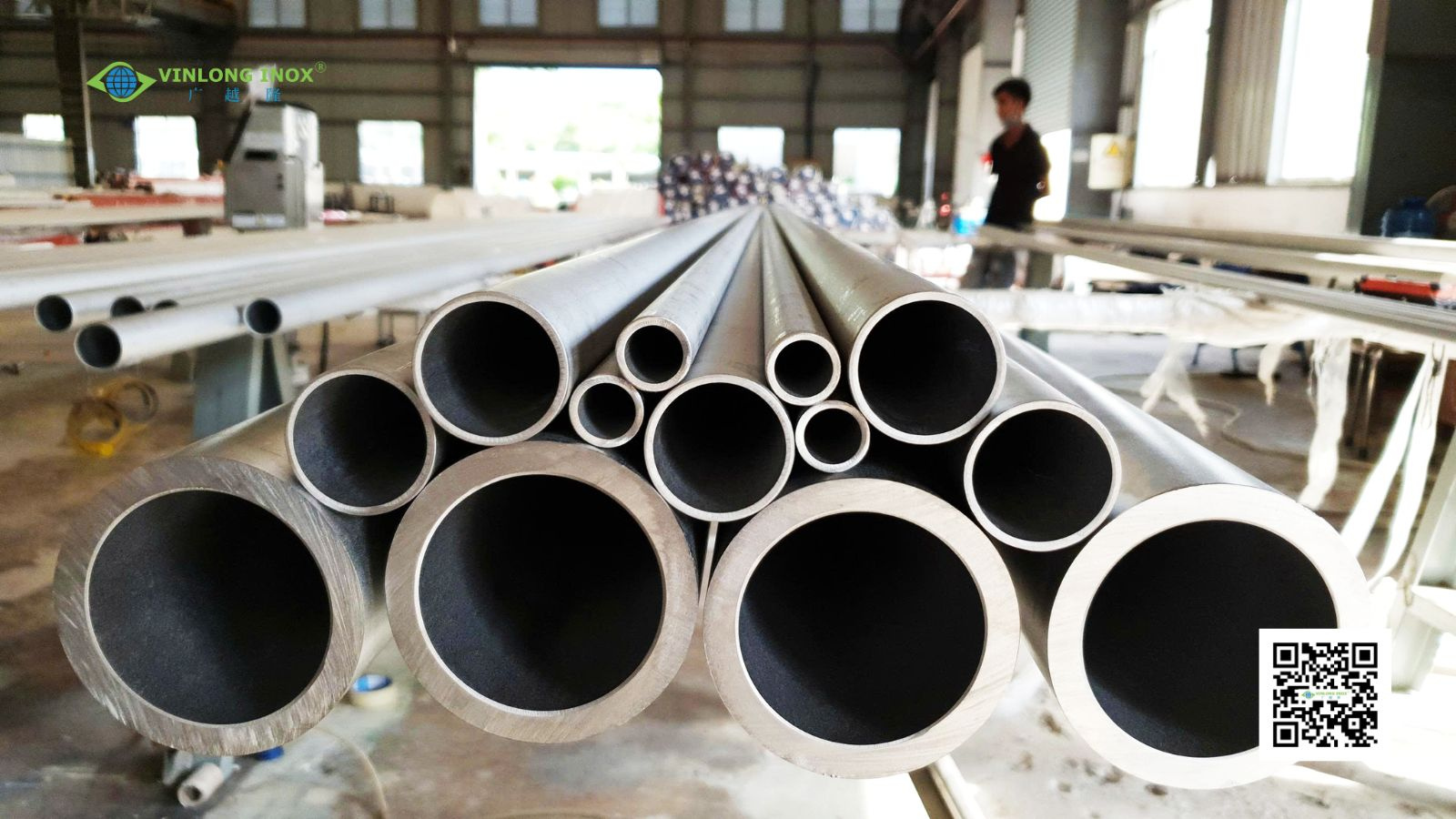 Seamless steel pipes feature a continuous structure with no welded seam along the pipe body.
For stainless steel applications, seamless pipes are commonly manufactured in accordance with internationally recognized standards such as ASTM A312, ASTM A269, and ASTM A213, depending on the intended application and specific project requirements.
Welded Steel Pipes
Welded steel pipes, also known as welded pipes, are manufactured from steel plates or steel coils. The raw material is formed into a tubular shape, and the edges are then joined using welding technology to create the finished pipe.
Depending on the manufacturing process, welded pipes can be produced using various welding methods, including electric resistance welding (ERW), arc welding, and other automated welding technologies. The weld seam may run longitudinally along the pipe or be formed in a spiral configuration, depending on the production method.
For stainless steel applications, welded pipes are commonly manufactured in accordance with internationally recognized standards such as ASTM A312, ASTM A778, and ASTM A358. Among these, ASTM A778 covers welded austenitic stainless steel pipes that are not heat-treated after welding and are typically used in low- to medium-pressure and temperature applications.
Thanks to their flexible manufacturing process and cost-effectiveness, welded pipes are widely used across a broad range of industries, including:
- Water supply and drainage systems
- Construction and Structural Applications
- Mechanical Engineering and Fabrication
- Food and Beverage Industry
- Industrial Piping Systems
- Equipment and Household Appliance Manufacturing
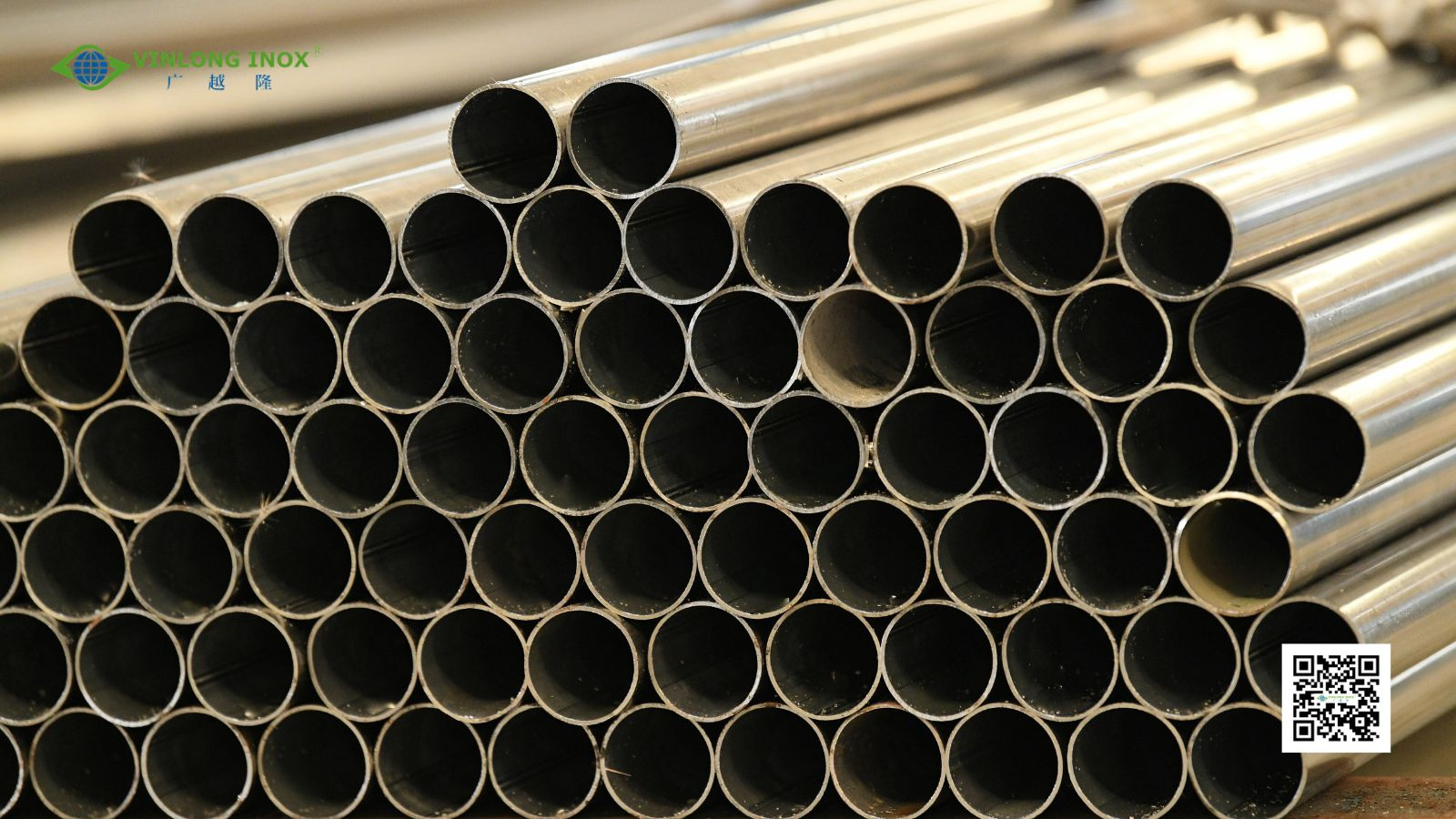 Welded steel pipes are manufactured from steel plates or steel coils using advanced welding technology.
With advantages such as manufacturing flexibility, a wide range of sizes, and cost-effectiveness, welded steel pipes have become a preferred solution for many civil and industrial projects.
Overall, although both seamless and welded pipes are widely used for transporting fluids across various industries, they differ significantly in terms of structure, manufacturing process, and technical performance. Understanding these differences enables businesses to select the most suitable pipe for each application, helping optimize both project investment and long-term operational efficiency.
Differences Between Seamless and Welded Pipes
The primary difference between seamless pipes and welded pipes lies in their manufacturing process and structural design. These differences directly affect their mechanical performance, pressure resistance, dimensional range, production cost, and typical applications.
The table below compares the key characteristics of seamless and welded pipes:
| Criteria |
Seamless Steel Pipe |
Welded Steel Pipe |
| Structure | Seamless construction with no weld seam | Longitudinal or spiral weld seam |
| Raw Material | Solid steel billet | Steel plate or steel coil |
| Manufacturing Process | Heated, pierced, and formed into a pipe | Formed into a tubular shape, then the edges are joined by welding |
| Pressure Resistance | Generally suitable for high-pressure applications | Depends on the manufacturing standard, welding process, and technical requirements |
| Temperature Resistance | Commonly selected for high-temperature operating environments | Suitable for a wide range of operating conditions, depending on the application |
| Wall Thickness Uniformity | May vary depending on the manufacturing process | Easier to control wall thickness and dimensional accuracy |
| Available Sizes | Size range is relatively more limited | Available in a wider range of diameters and specifications |
| Cost | Generally higher | Typically more cost-effective |
| Typical Applications | Oil & gas, boilers, chemical processing, high-pressure piping systems | Construction, water supply and drainage, food processing, mechanical engineering, and industrial piping |
However, the quality of seamless and welded pipes should not be judged solely by whether a pipe has a weld seam. Actual performance depends on multiple factors, including the steel grade, manufacturing standard, wall thickness, quality inspection procedures, and the specific technical requirements of the project.
For welded pipes manufactured in accordance with recognized standards, the weld seam is subject to strict quality control and inspection to ensure adequate strength, leak tightness, and reliable performance. Therefore, the selection between seamless and welded pipes should be based on the project's technical specifications and operating conditions rather than simply giving preference to one type over the other.
Applications of Seamless and Welded Pipes
Thanks to their distinct technical characteristics, seamless and welded pipes are widely used across a variety of industrial and commercial applications. Selecting the right type of pipe not only ensures reliable system performance but also helps optimize project costs while meeting specific requirements for pressure, temperature, and operating conditions.
Applications of Seamless Steel Pipes
Thanks to their seamless construction and ability to meet demanding technical requirements, seamless steel pipes are widely used in systems operating under harsh conditions. Typical applications include:
- Oil and Gas Pipelines.
- High-Pressure Steam Piping Systems.
- Power Plant Piping.
- Boiler Systems and Heat Exchangers.
- Chemical and Petrochemical Industries.
- Hydraulic Systems.
- Heavy-Duty Mechanical Equipment.
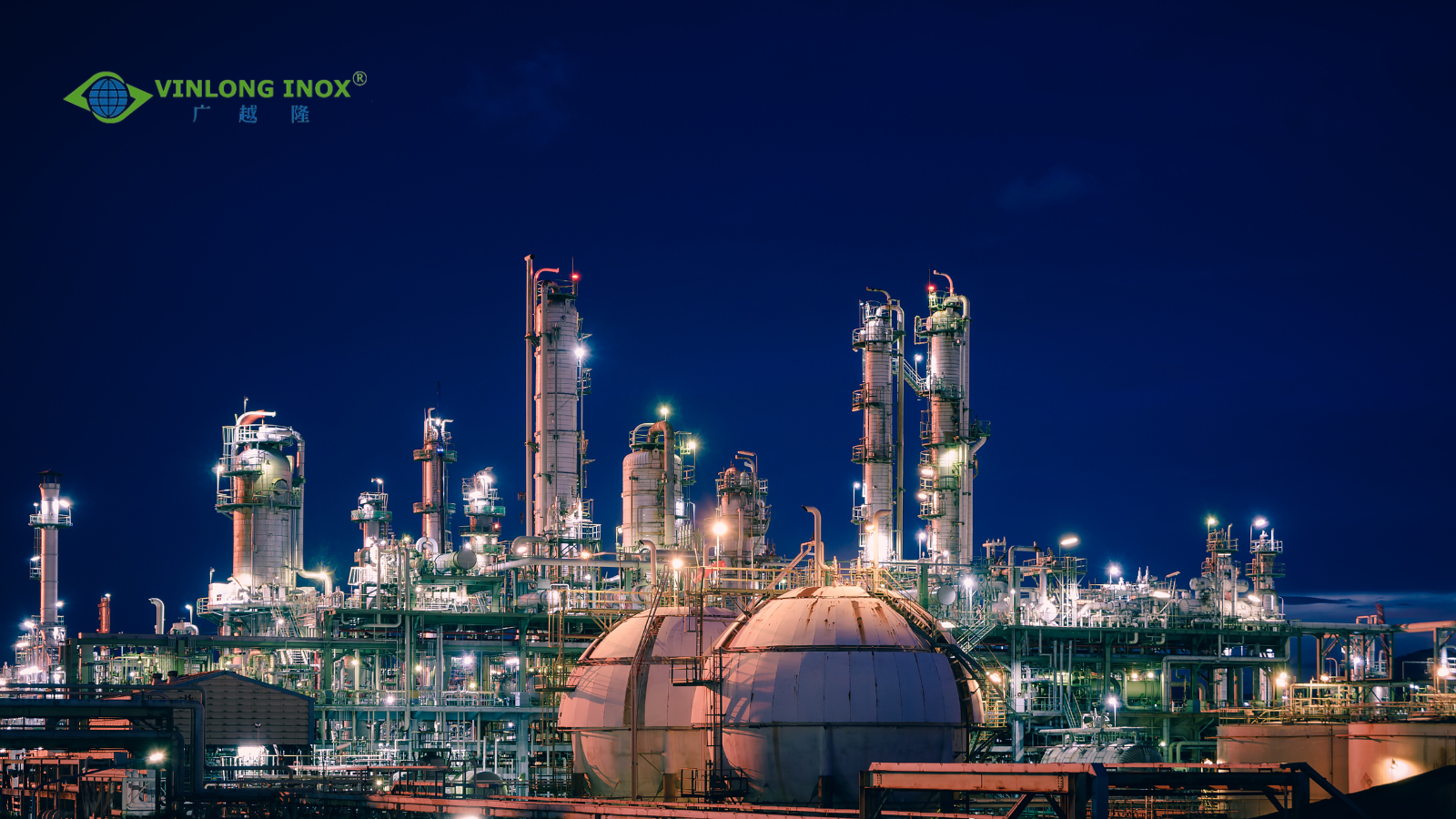 Seamless steel pipes are widely used in high-pressure and high-temperature piping systems.
For projects involving high-pressure systems, elevated operating temperatures, or stringent safety requirements, seamless steel pipes are often the preferred choice due to their superior structural integrity and mechanical performance.
Applications of welded steel pipes
Welded steel pipes offer advantages such as a wide range of available sizes, high production capacity, and cost-effectiveness. As a result, they are widely used across various industries. Common applications include:
- Water Supply and Drainage Systems.
- Low- to Medium-Pressure Fluid Piping.
- Construction and Structural Steel Projects.
- Handrails, Guardrails, and Architectural Frameworks.
- Industrial Equipment Manufacturing.
- Food and Beverage Industry.
- Pharmaceutical Manufacturing Facilities.
- Machinery Manufacturing and Mechanical Fabrication.
For applications that do not involve extremely high pressure or elevated temperatures, welded steel pipes offer a cost-effective solution while still meeting the technical and performance requirements of the project.
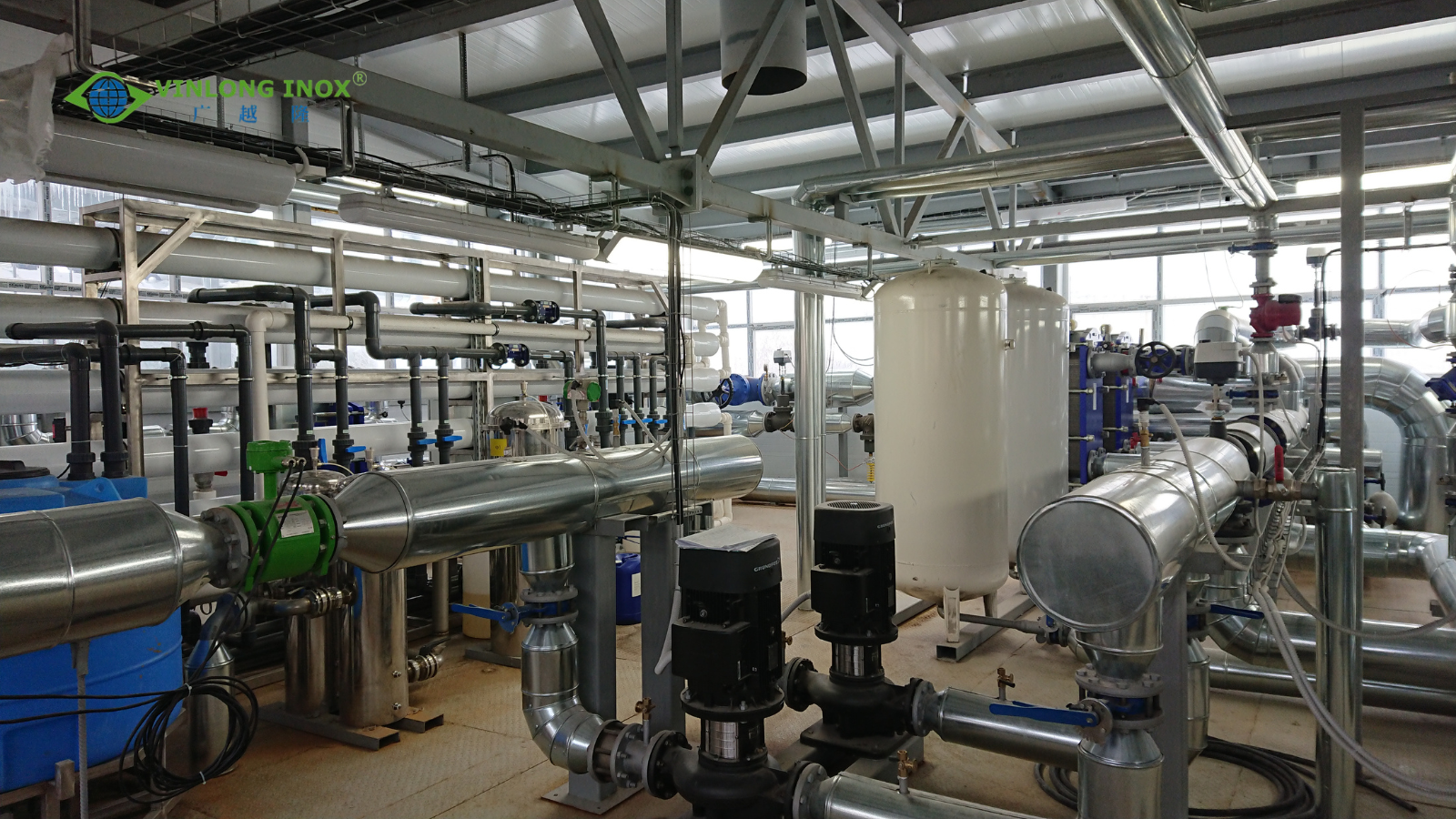 Welded steel pipes are widely used in construction projects and industrial piping systems.
With flexible manufacturing capabilities, a wide range of specifications, and excellent cost efficiency, welded steel pipes are an ideal choice for many construction projects and industrial piping systems.
In summary, both seamless and welded steel pipes offer distinct advantages and are suited to different applications. Understanding their respective applications enables businesses to select the most appropriate solution for each project's technical requirements, ultimately improving operational efficiency and optimizing long-term investment costs.
Trusted Supplier of Seamless and Welded Steel Pipes
Choosing the right supplier is just as important as selecting the right type of pipe. A reputable manufacturer not only ensures product quality but also contributes to the long-term reliability, operational efficiency, and service life of the entire piping system. Key factors to consider include manufacturing capabilities, quality control procedures, international certifications, and a stable supply capacity.
As one of Vietnam's leading stainless steel manufacturers, Vinlong Inox offers a comprehensive range of stainless steel seamless pipes and stainless steel welded pipes for industries such as oil & gas, petrochemicals, power generation, food processing, pharmaceuticals, water treatment, and construction. With a modern manufacturing facility located in Long Giang Industrial Park, Dong Thap Province, Vinlong Inox has a strong production capacity to serve both domestic and international markets, exporting to more than 70 countries worldwide.
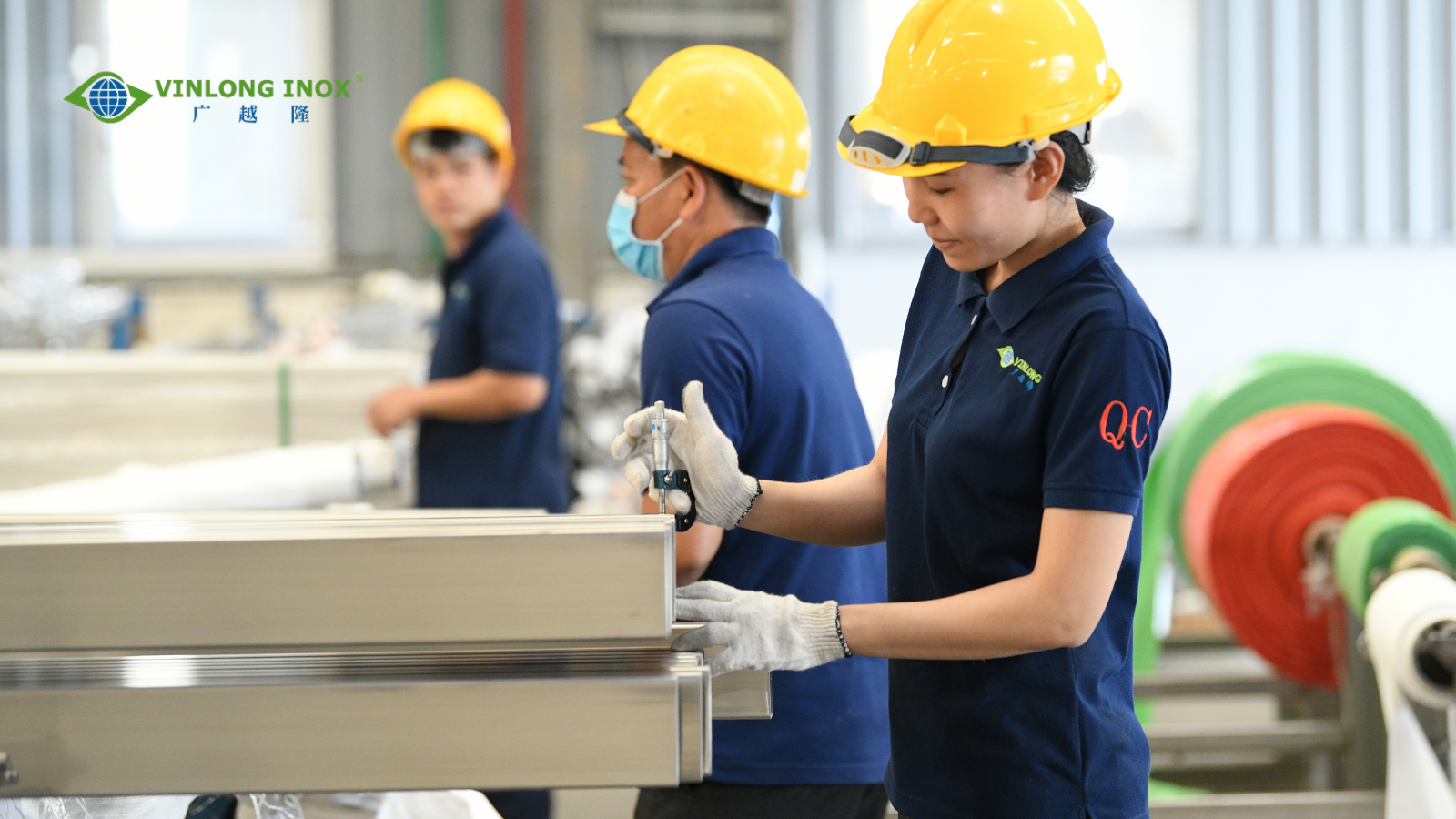
By choosing Vinlong Inox, customers benefit from:
- A complete range of stainless steel seamless and welded pipes in various sizes, wall thicknesses, and grades, including 304/304L and 316/316L.
- Products manufactured in accordance with international standards such as ASTM, ASME, and EN, meeting the requirements of a wide range of industrial applications.
- Comprehensive technical support from experienced engineers to help customers select the most suitable products for their operating conditions.
- Reliable production capacity and stable supply for both domestic and international projects, ensuring on-time delivery.
If you are looking for high-quality seamless and welded stainless steel pipes, partnering with an experienced manufacturer like Vinlong Inox can help maximize your investment, reduce operating costs, and ensure the long-term performance of your piping systems. For more information about our product range or to request technical assistance, please visit the Vinlong Inox website or contact our technical team directly.


Các tin khác
-
Phone:(+84 273) 364 2555
-
Fax:(+84 273) 364 2557
-
Email:info@vinlonginox.com
sales@vinlonginox.com
sales@vinlonginox.vn





CÔNG TY TNHH THÉP KHÔNG GỈ QUẢNG THƯỢNG VIỆT NAM
VINLONG STAINLESS STEEL (VIETNAM) CO., LTD.
TAX ID: 1201462743


