


Magnetism in Stainless Steel: Role and Identification
During the material selection process, many people often wonder about the magnetism of stainless steel and whether it can be used as an indicator of quality. In reality, magnetism is not only related to the metal composition but also reflects the structure and characteristics of each type of stainless steel. Understanding this will help you choose the right material for your needs.
How Does Magnetism in Stainless Steel Form?
The magnetic properties of stainless steel are mainly determined by its microstructure. Stainless steel is generally divided into three main groups: Austenitic, Ferritic, and Martensitic.
- Austenitic group (such as stainless steel 304, 316): Has a stable structure, so it is almost non-magnetic or only very weakly magnetic.
- Ferritic and Martensitic groups: Have structures that allow electrons to align with a magnetic field, resulting in noticeable magnetism.
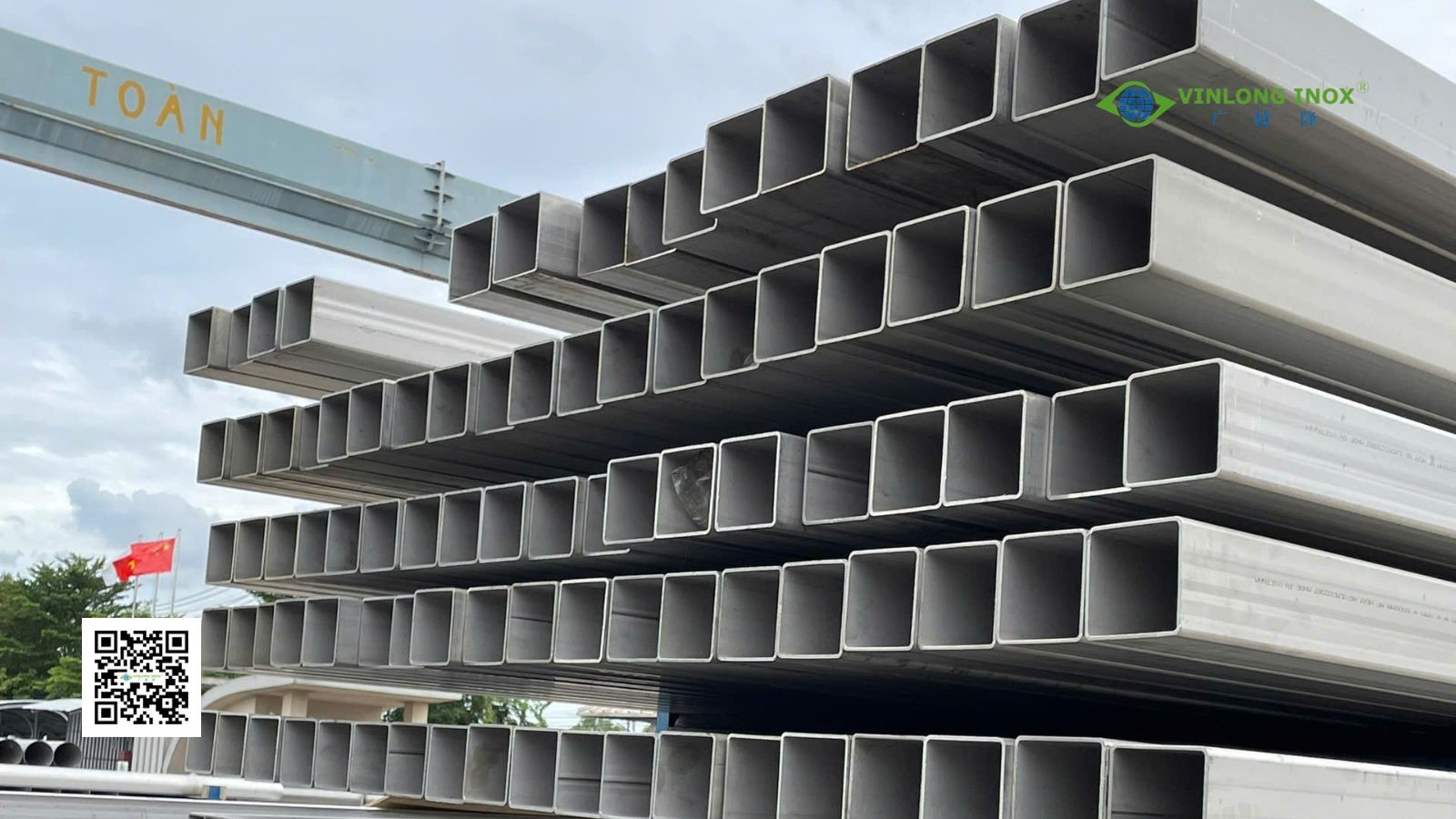
It is worth noting that during processing such as cold rolling, stamping, or bending, Austenitic stainless steel may develop slight magnetism. This is a normal phenomenon and does not affect the overall quality.
Common Magnetic Stainless Steel Types
In practice, several magnetic stainless steel types are widely used, including:
- Stainless steel 430 (Ferritic): Strongly magnetic, cost-effective, commonly used in household appliances.
- Stainless steel 410, 420 (Martensitic): Magnetic with high hardness, suitable for manufacturing knives and mechanical tools.
These types can be easily identified using a magnet due to their strong attraction.
Non-Magnetic Stainless Steel Types
In contrast, Austenitic stainless steel stands out for its non-magnetic properties:
- Stainless steel 304: The most common type, almost not attracted by magnets.
- Stainless steel 316: A higher-grade material with superior corrosion resistance and non-magnetic characteristics.
However, it is important to note that slight magnetism may still appear after processing, so a magnet alone is not enough to make a definitive conclusion.
The Role of Magnetism in Stainless Steel in Practice
Magnetism in stainless steel is not only a simple physical property but also plays an important role in material identification, quality control, and practical applications across various industries. Below are the key reasons why this factor is worth attention:
- Material identification and classification: Magnetism helps quickly distinguish stainless steel types such as Austenitic (non-magnetic) and Ferritic or Martensitic (magnetic), thereby supporting the selection of suitable materials for specific needs.
- Structural composition assessment: The ability to attract a magnet can indicate the presence of ferrite in the steel. Ferrite content affects strength and corrosion resistance, helping manufacturers better control alloy quality.
- Support in manufacturing and assembly: In industries such as automotive, mechanical engineering, and electronics, magnetic materials can be held or positioned using magnetic devices, making machining and assembly processes easier, more accurate, and more efficient.
- Applications in specialized fields: Some industries, such as medical and electronics, require non-magnetic materials to avoid magnetic interference, ensuring equipment stability and safety.
- Indication of processing history: Changes in magnetism (for example, the appearance of slight magnetism in Austenitic stainless steel) may indicate that the material has undergone cold working processes, helping to partially assess its processing condition.
In conclusion, magnetism is a useful factor in identifying and applying stainless steel in practice. However, it should only be considered a reference criterion and cannot replace a comprehensive evaluation based on chemical composition, technical standards, and specific usage environments.
Simple Ways to Test Magnetism in Stainless Steel
To check the magnetism of stainless steel, you can try the following simple methods:
- Using a magnet: Bring a magnet close to the surface. Strong attraction usually indicates magnetic types (such as 410, 430), while weak or no attraction suggests 304 or 316.
- Observing after processing: Stainless steel 304 is initially non-magnetic but may become slightly magnetic after bending or cold working. This is completely normal.
- Using measuring devices: For higher accuracy, magnetic measuring instruments can be used, especially in industrial or technical environments.
- Comparing with standard samples: Another simple method is to compare directly with known stainless steel samples, combined with a magnet for easier identification.
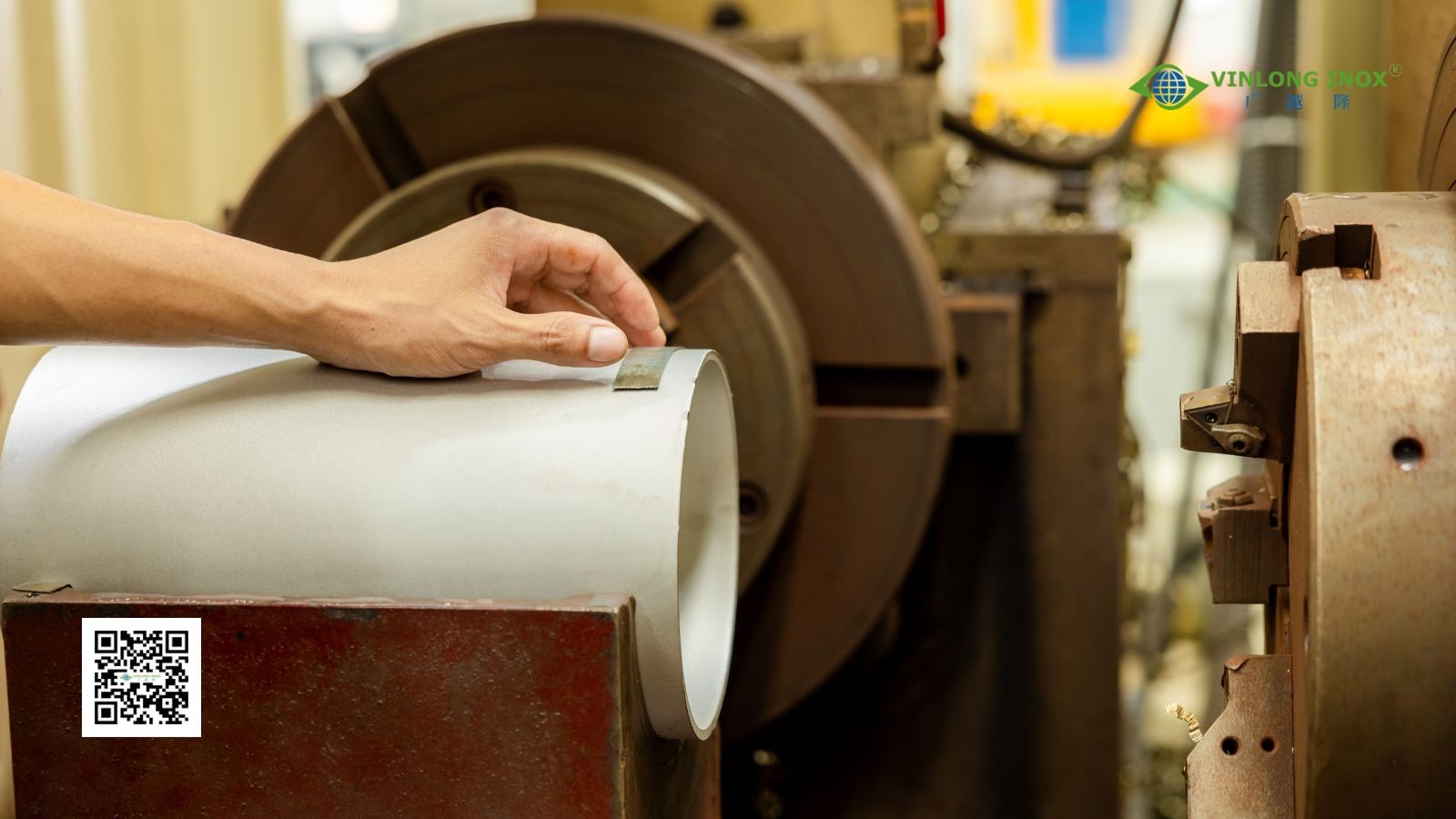
Magnetism in stainless steel is an important characteristic that helps users better understand its structure and distinguish between different types in practice. However, it should only be considered as a reference factor, not the sole criterion for evaluating material quality. To ensure you choose the right type of stainless steel and use it safely, it is recommended to prioritize reputable suppliers such as Vinlong Inox—committed to providing high-quality products with clear origins and dedicated consultation. This will give you greater confidence when applying stainless steel in daily life and long-term production.
To check the magnetism of stainless steel, you can try the following simple methods:
- Using a magnet: Bring a magnet close to the surface. Strong attraction usually indicates magnetic types (such as 410, 430), while weak or no attraction suggests 304 or 316.
- Observing after processing: Stainless steel 304 is initially non-magnetic but may become slightly magnetic after bending or cold working. This is completely normal.
- Using measuring devices: For higher accuracy, magnetic measuring instruments can be used, especially in industrial or technical environments.
- Comparing with standard samples: Another simple method is to compare directly with known stainless steel samples, combined with a magnet for easier identification.
Magnetism in stainless steel is an important characteristic that helps users better understand its structure and distinguish between different types in practice. However, it should only be considered as a reference factor, not the sole criterion for evaluating material quality. To ensure you choose the right type of stainless steel and use it safely, it is recommended to prioritize reputable suppliers such as Vinlong Inox—committed to providing high-quality products with clear origins and dedicated consultation. This will give you greater confidence when applying stainless steel in daily life and long-term production.


Các tin khác
-
Phone:(+84 273) 364 2555
-
Fax:(+84 273) 364 2557
-
Email:info@vinlonginox.com
sales@vinlonginox.com
sales@vinlonginox.vn





CÔNG TY TNHH THÉP KHÔNG GỈ QUẢNG THƯỢNG VIỆT NAM
VINLONG STAINLESS STEEL (VIETNAM) CO., LTD.
TAX ID: 1201462743


