

History of stainless steel development
When Was Stainless Steel Invented?
In 1913, British metallurgist Harry Brearley discovered a steel alloy with remarkable corrosion resistance. By reducing the carbon content and increasing the chromium ratio, he created a material capable of forming a protective surface layer that prevents rust and oxidation. Subsequent experiments demonstrated that this alloy could resist oxidation even in outdoor environments and in areas exposed to corrosive chemicals that typically damage conventional metals. Following this breakthrough, the German steel company Krupp introduced further innovations by adding nickel to enhance resistance against acid corrosion. This improvement also made the alloy more ductile, easier to machine, and more efficient for industrial processing.
These developments laid the foundation for the creation of the 400-series and 300-series stainless steels shortly before World War I. In the 1920s, metallurgist W. H. Hatfield continued research on chromium-nickel combinations and developed the famous 18/8 stainless steel containing 18% chromium and 8% nickel — known today as stainless steel grade 304, one of the most widely used materials worldwide. He also developed stainless steel grade 321 by adding titanium to the 18/8 composition, improving heat stability and intergranular corrosion resistance.
Key Characteristics of Stainless Steel
Today, stainless steel is classified into five main categories depending on the proportions of nickel, chromium, and other alloying elements. Despite differences among grades, stainless steel generally offers the following advantages:
- High corrosion resistance: Contains at least approximately 10.5% chromium (Cr), forming a protective passive layer that prevents rust and oxidation.
- Excellent mechanical strength: Capable of withstanding pressure, impact, and demanding industrial conditions.
- High and low temperature resistance: Maintains stable performance across a wide temperature range.
- Superior aesthetics: Smooth, bright surface that is easy to clean and maintains long-term appearance.
- Good fabrication and weldability: Easily cut, bent, welded, and formed into various applications.
- Hygienic and safe: Non-reactive with food, making it ideal for food processing, medical, and sanitary applications.
Current stainless steel evaluation standards
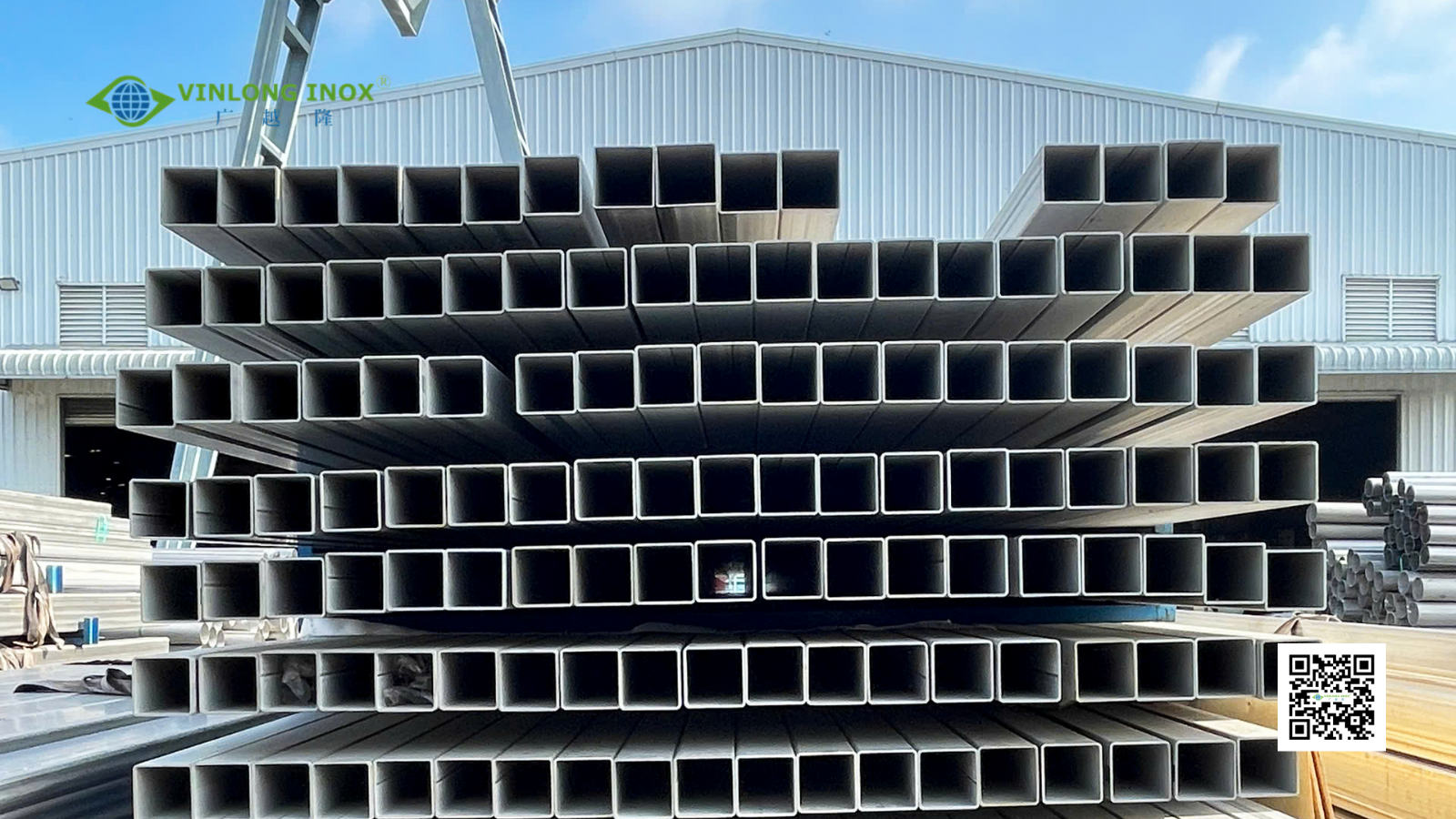
Today, stainless steel quality is controlled through international standards to ensure consistency in global manufacturing and trade. The most widely applied standards include:
- ASTM: Issued by ASTM International, widely used for industrial materials and product specifications.
- AISI: Developed by the American Iron and Steel Institute, commonly used for stainless steel grade classification.
- EN: Established by the European Committee for Standardization and applied across European markets.
- JIS: Issued by Japanese Industrial Standards, widely adopted in Japan and throughout Asia, defining chemical composition, mechanical properties, and technical requirements for stainless steel.
- ISO: Published by the International Organization for Standardization to harmonize stainless steel quality standards worldwide.
Vinlong Inox – Stainless Steel Solutions for a Sustainable Future
With a strong commitment to sustainable development and international quality standards, Vinlong Inox continuously delivers high-quality stainless steel products that meet the evolving demands of modern industry, construction, and manufacturing.
We are dedicated to supporting businesses with reliable, durable, and efficient stainless steel solutions for both domestic and global projects.
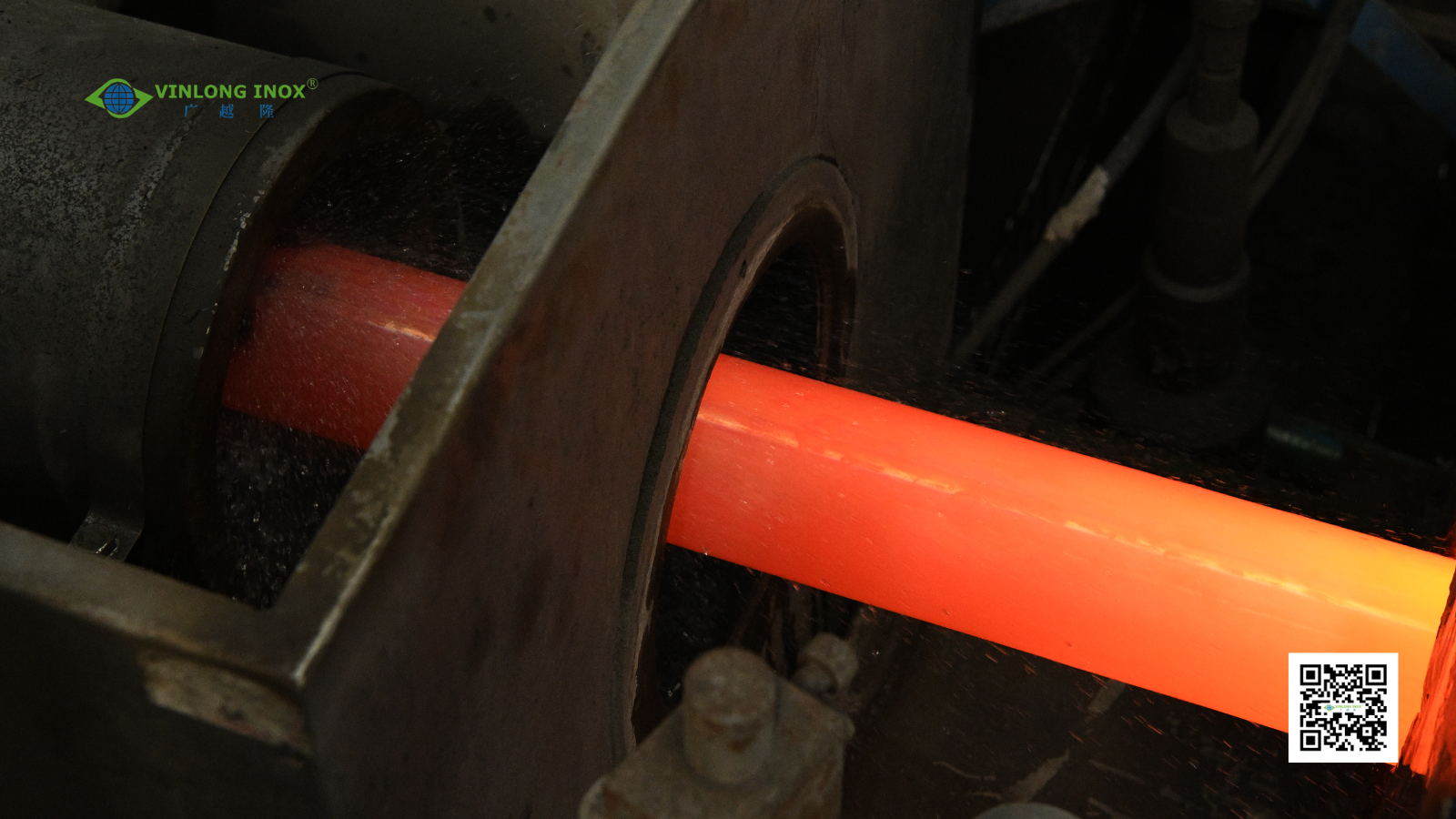 Contact Vinlong Inox today for professional consultation on stainless steel pipes and material solutions that comply with international standards. Our expert team is ready to provide fast, accurate, and effective support for local and export requirements.
With a strong commitment to sustainable development and international quality standards, Vinlong Inox continuously delivers high-quality stainless steel products that meet the evolving demands of modern industry, construction, and manufacturing.
We are dedicated to supporting businesses with reliable, durable, and efficient stainless steel solutions for both domestic and global projects.
Contact Vinlong Inox today for professional consultation on stainless steel pipes and material solutions that comply with international standards. Our expert team is ready to provide fast, accurate, and effective support for local and export requirements.


Các tin khác
-
Phone:(+84 273) 364 2555
-
Fax:(+84 273) 364 2557
-
Email:info@vinlonginox.com
sales@vinlonginox.com
sales@vinlonginox.vn





CÔNG TY TNHH THÉP KHÔNG GỈ QUẢNG THƯỢNG VIỆT NAM
VINLONG STAINLESS STEEL (VIETNAM) CO., LTD.
TAX ID: 1201462743


