


How to Differentiate Carbon Steel and Stainless Steel (Inox)
In engineering, construction, and manufacturing, selecting the right material plays a crucial role in determining the quality and durability of a product. Carbon steel and stainless steel (inox) are two of the most commonly used materials, but they can sometimes be mistaken for one another due to their similar appearance. However, each material has distinct characteristics in terms of composition, corrosion resistance, strength, and cost. Understanding these differences can help you make a more informed decision and choose the most suitable material for your specific application.
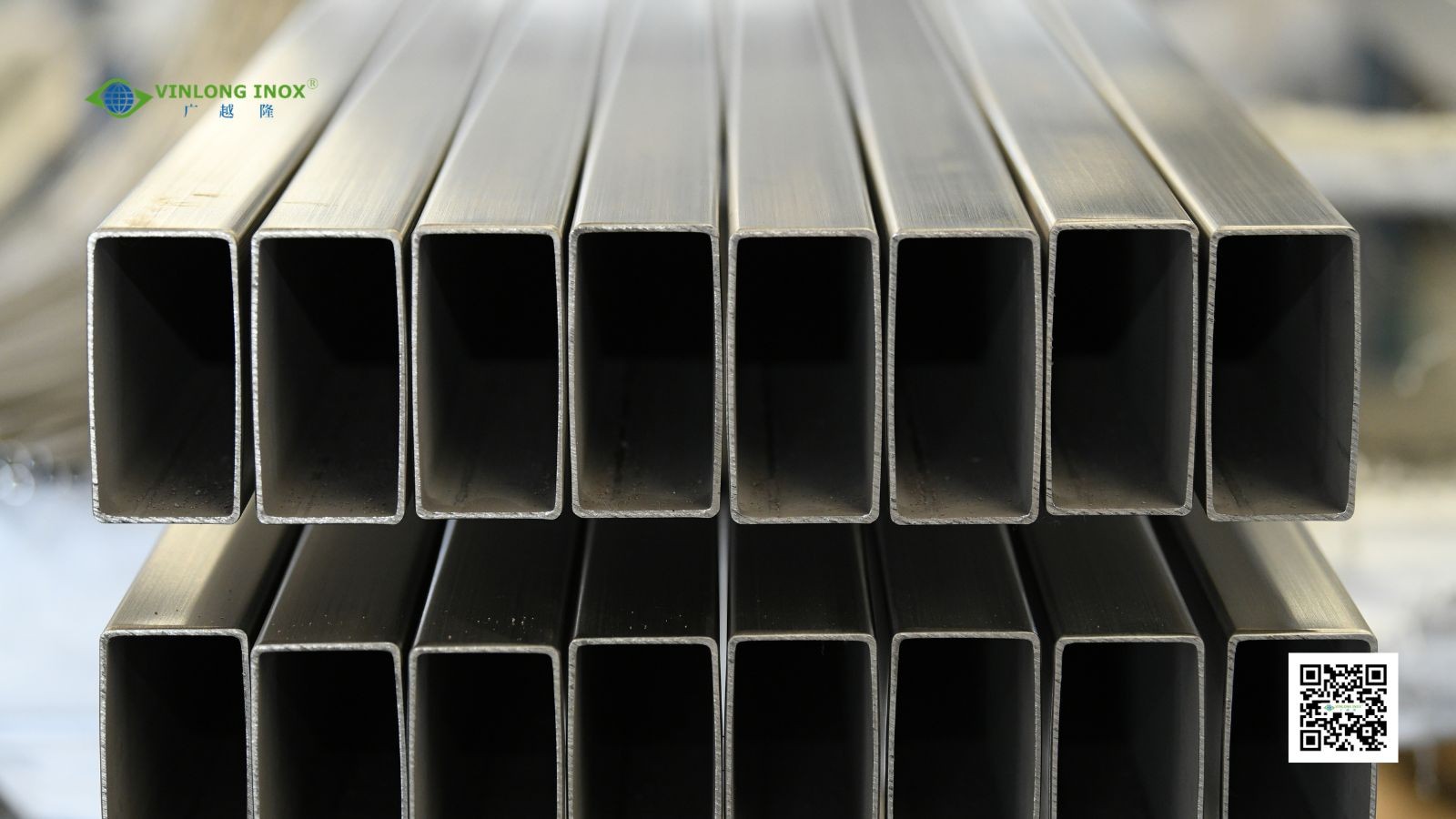
What is Carbon Steel?
Carbon steel is an alloy primarily composed of iron (Fe) and carbon (C), with the carbon content playing a key role in determining the material’s hardness, strength, and load-bearing capacity. In addition to these two main elements, carbon steel may also contain small amounts of other elements such as manganese (Mn), silicon (Si), sulfur (S), and phosphorus (P) to enhance specific mechanical properties and improve overall performance.
Based on carbon content, carbon steel is generally classified into three main categories:
- Low-carbon steel (≤ 0.25% C): Highly ductile, easy to form and weld, commonly used in construction and general fabrication.
- Medium-carbon steel (0.25%–0.60% C): Offers higher strength and hardness, making it suitable for manufacturing machinery components and mechanical parts.
- High-carbon steel (≥ 0.60% C): Extremely hard and wear-resistant, but more brittle. It is commonly used for knives, cutting tools, springs, and molds.
What is Stainless Steel (Inox)?
Stainless steel (inox) is an iron-based alloy that contains at least 10.5% chromium (Cr). This chromium content enables the formation of a thin, stable oxide layer on the surface, which can self-repair when scratched, protecting the material from oxidation and corrosion in various environments.
In addition to chromium, stainless steel may contain other alloying elements such as nickel (Ni), molybdenum (Mo), manganese (Mn), and nitrogen (N). These elements help enhance properties such as strength, corrosion resistance, heat resistance, and ductility, making stainless steel suitable for a wide range of industrial and commercial applications.
Based on its crystal structure and chemical composition, stainless steel is classified into several main categories:
- Austenitic Stainless Steel (e.g., 304, 316): Non-magnetic or only slightly magnetic, with excellent corrosion resistance. Widely used in food processing, medical equipment, and chemical industries.
- Ferritic Stainless Steel (e.g., 430): Magnetic, more cost-effective than austenitic grades, and offers moderate corrosion resistance.
- Martensitic Stainless Steel: Characterized by high hardness and the ability to be heat-treated, making it suitable for knives, cutting tools, and wear-resistant components.
- Duplex Stainless Steel: Combines the advantages of both austenitic and ferritic stainless steels, providing high strength and superior corrosion resistance.
Comparison Table: Carbon Steel vs. Stainless Steel
To help you better understand the differences and choose the most suitable material for your needs, the table below provides a detailed comparison between carbon steel and stainless steel based on key factors such as composition, strength, corrosion resistance, and practical applications.
| Comparison Criteria | Carbon Steel | Stainless Steel (Inox) |
| Composition | Iron (Fe) + Carbon (C) | Iron (Fe) + Chromium (Cr ≥ 10.5%) + often contains Nickel (Ni), Molybdenum (Mo), and Manganese (Mn) |
| Chromium (Cr) Content | Little to no chromium content, or very low levels | Contains ≥10.5% chromium, forming a passive layer that provides corrosion resistance |
| Corrosion (Rust) Resistance | Poor resistance; easily oxidizes in humid and salty environments | Very good; highly resistant to oxidation and rust |
| Hardness | High, especially in high-carbon steel | Medium to high, depending on the stainless steel grade |
| Formability & Machinability | Becomes brittle when carbon content is high | Easier to process, flexible in rolling, welding, and forming |
| Electrical & Thermal Conductivity | Better due to simpler atomic structure | Lower than carbon steel |
| Surface After Use | Turns reddish-brown and may peel/rust if not maintained | Remains bright and shiny, less prone to discoloration with proper care |
| Common Applications | Structural construction, molds, mechanical tools, industrial knives | Decorative materials, food industry, medical equipment, household appliances |
| Material Cost | Lower due to absence of alloying elements like chromium and nickel | Higher due to alloy composition and more complex production process |
| Density | ~7.85 g/cm³ | ~7.9–8.0 g/cm³ (slightly higher due to alloying elements) |
| Aesthetic Appearance | Low, often requires painting or galvanizing for protection and aesthetics | High, naturally shiny and can be mirror-polished |
How to distinguish carbon steel from stainless steel
In practice, distinguishing carbon steel from stainless steel is not too difficult if you know how to observe and test them correctly.
- Visual inspection: Carbon steel usually has a dull, non-shiny surface, while stainless steel (inox) is bright and highly reflective.
- Oxidation check: Carbon steel easily develops reddish-brown rust when exposed to moisture; stainless steel has excellent corrosion resistance and is much less likely to rust.
- Lemon juice test: Carbon steel may show a slight reaction or discoloration, while stainless steel is mostly unaffected.
- Magnet test (not fully accurate): Carbon steel is strongly magnetic; stainless steel may be magnetic or non-magnetic depending on the grade.
- Warning about fake stainless steel: Some products are only coated with a thin stainless layer but have a carbon steel core, which can rust from the inside and reduce durability.
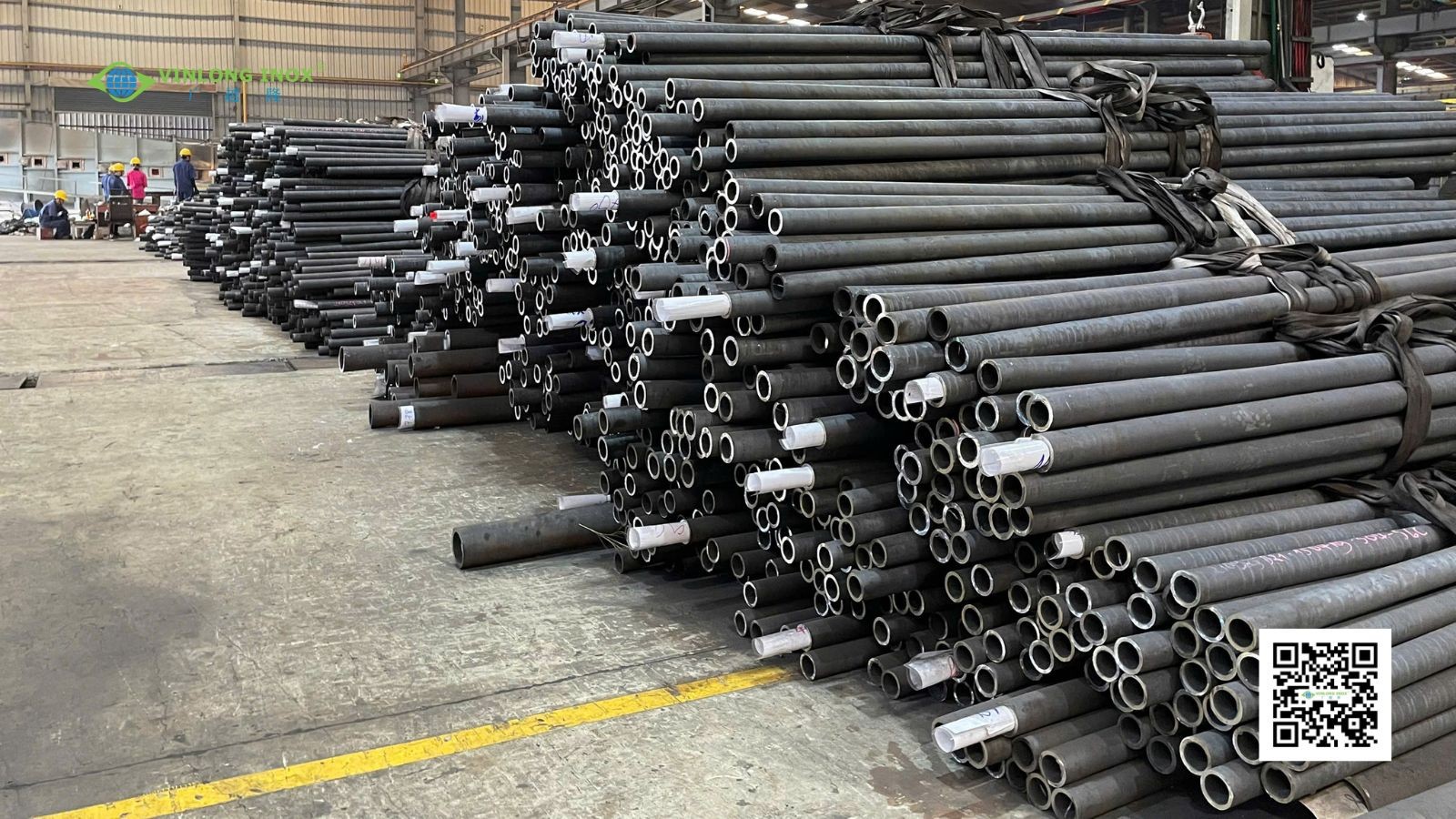
Understanding how to distinguish carbon steel from stainless steel is important to ensure you choose the right material for durability and long-term performance. As a manufacturer and supplier of stainless steel products, Vinlong Inox always focuses on quality and reliability in every product. We hope these insights help you better understand the differences and apply them in real practice.
Source: Compiled


Other news
-
Phone:(+84 273) 364 2555
-
Fax:(+84 273) 364 2557
-
Email:info@vinlonginox.com
sales@vinlonginox.com
sales@vinlonginox.vn





CÔNG TY TNHH THÉP KHÔNG GỈ QUẢNG THƯỢNG VIỆT NAM
VINLONG STAINLESS STEEL (VIETNAM) CO., LTD.
TAX ID: 1201462743


